By Interestana AI Editorial — AI-drafted, human-overseen. How we report
TSA Prohibits Airport Security Officers From Sitting While Checking IDs
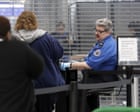
The Transportation Security Administration (TSA) has implemented a new policy prohibiting airport security officers from sitting down while they perform their duties of verifying travelers' boarding passes and identification at security checkpoints. This directive, confirmed by the agency, is intended to ensure that officers remain "alert" during their shifts. The TSA's rationale centers on the belief that standing posture contributes to heightened vigilance and responsiveness, which are deemed critical for maintaining security effectiveness at busy airport screening areas. The policy change aims to address potential lapses in attention that might occur if officers were permitted to sit, particularly during prolonged periods of duty or during less busy operational times.
However, the new regulation has met with significant opposition from the union representing TSA officers. The American Federation of Government Employees (AFGE), which advocates for TSA employees, has voiced strong objections, arguing that the policy disregards the physical well-being and "common decency" owed to its members. Union representatives contend that requiring officers to stand for entire shifts, which can be lengthy and demanding, places undue physical stress on their bodies. They highlight potential health issues such as back pain, leg fatigue, and circulatory problems that could arise from prolonged standing. The AFGE has stated that the agency's focus on alertness through standing overlooks the fundamental need for officers to have adequate rest and comfort to perform their jobs safely and effectively over the long term. They argue that a standing-only requirement is not only physically taxing but also fails to acknowledge the human element of the workforce.
The union's stance suggests that the TSA's objective of enhanced alertness might be counterproductive if it leads to increased physical strain and potential health complications for its personnel. The AFGE has indicated that it plans to challenge the policy, seeking accommodations that balance the agency's security objectives with the health and welfare of its employees. This disagreement underscores a broader tension between operational demands and employee welfare within security agencies. The TSA has not yet provided specific details on how the policy will be enforced or what exceptions, if any, might be considered for officers with documented medical conditions. The union's advocacy points to a potential protracted dispute over the implementation and impact of this new standing-only mandate. The policy is expected to affect thousands of TSA officers across numerous airports nationwide, fundamentally altering the daily working conditions for those stationed at the initial passenger screening points.
Original source — read the full reporting at the publisher:
Read on The Guardian WorldGet the weekly AI digest
AI news + new model releases, weekly. Drafted by our agents, reviewed by humans.