By Interestana AI Editorial — AI-drafted, human-overseen. How we report
TSA's 3-1-1 Liquids Rule Remains Key Airport Security Hurdle
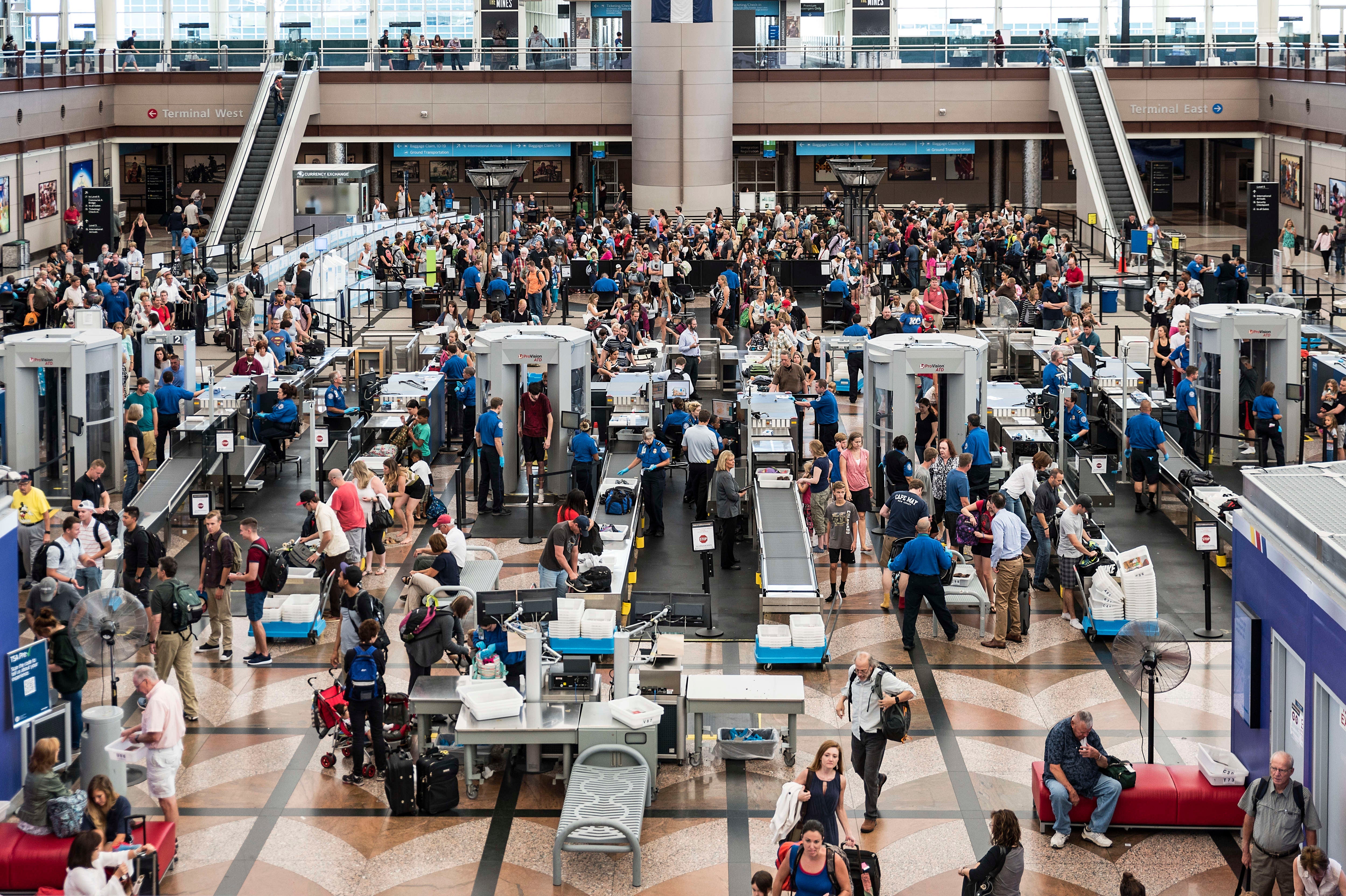
The Transportation Security Administration (TSA) continues to enforce its long-standing 3-1-1 rule for liquids in carry-on baggage, a policy that has been in place for nearly two decades and remains a significant factor in airport security screenings. This rule dictates that liquids, gels, and aerosols must be contained in vessels no larger than 3.4 ounces (approximately 100 milliliters), with all such containers fitting into a single, transparent, quart-sized plastic bag. Each passenger is permitted only one such bag. The policy was implemented in 2006 as a direct response to a thwarted terrorism plot overseas, which involved liquid explosives. In the wake of this incident, the TSA and numerous other countries adopted similar measures to enhance aviation security by restricting the types and quantities of liquids allowed through checkpoints. This rule affects a wide array of common personal care items, including toothpaste, shampoo, conditioner, mouthwash, and sunscreen. Items exceeding the 3.4-ounce limit must be packed in checked luggage. While the TSA has updated other security procedures over the years, such as no longer requiring passengers to remove their shoes, the 3-1-1 liquids rule persists as one of the primary reasons for bags being selected for secondary screening. The policy aims to prevent the concealment of dangerous substances by ensuring that all liquid items are easily visible and individually contained within a standardized, manageable volume. The 3-1-1 designation breaks down as follows: '3' refers to the maximum container size of 3.4 ounces (100 ml); the first '1' signifies that all containers must fit into one quart-sized, clear, zip-top bag; and the second '1' indicates that only one such bag is allowed per passenger. This consistent application of the rule across all passengers and airports aims to streamline the screening process while maintaining a high level of security. Travelers are advised to familiarize themselves with these regulations to avoid delays and ensure a smoother passage through security checkpoints on their next flight. The rule's longevity underscores its perceived effectiveness in mitigating security risks associated with liquid-based threats, making it a foundational element of modern air travel security protocols. The TSA's continued reliance on this policy highlights the ongoing importance of vigilance in aviation security, even as other procedures evolve.
Original source — read the full reporting at the publisher:
Read on The Points GuyGet the weekly AI digest
AI news + new model releases, weekly. Drafted by our agents, reviewed by humans.