By Interestana AI Editorial — AI-drafted, human-overseen. How we report
Consumers Want AI But Demand Human Control
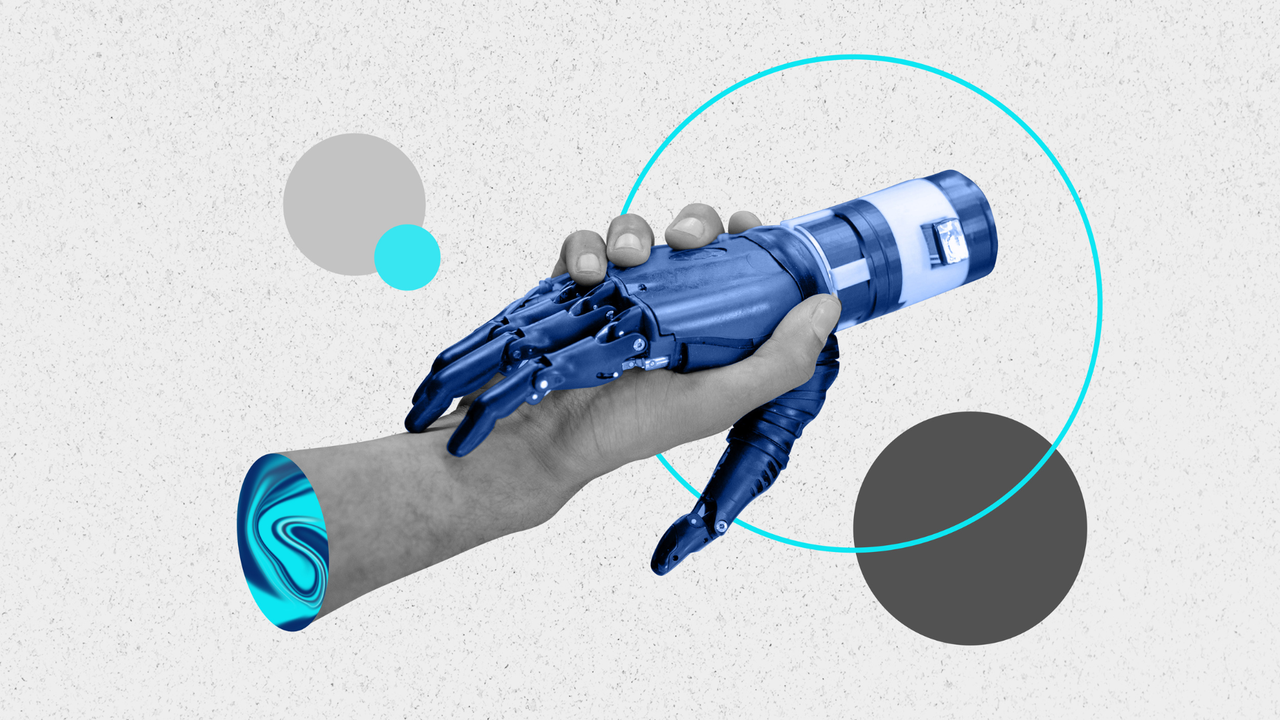
Consumers are increasingly open to artificial intelligence playing a larger role in their brand interactions, with 56% expecting AI to improve their customer experience, according to Adobe’s 2026 AI and Digital Trends Consumer Report. While 43% of consumers indicated a willingness to try an AI concierge, a significant majority, 81%, do not want AI agents to become their primary point of contact with brands. The primary factor influencing consumer trust in AI experiences is the ability to switch to a human agent at any time. This finding, while seemingly paradoxical, highlights a desire for clear boundaries in AI interactions, where users understand the AI's purpose, its level of authority, and their own ability to regain control.
This demand for human fallback is not a rejection of AI's capabilities, such as speed, convenience, and personalization. Instead, it underscores a need for an accountable experience and a credible exit strategy. Consumers want reassurance that they are not trapped in an automated system, especially if the context shifts or the interaction feels unsatisfactory. The presence of a human option provides this assurance, offering a recourse for situations requiring judgment and authority beyond the AI's current scope.
The human-AI boundary is experienced through fundamental questions for the customer: Is the interaction clearly identified as AI? Is the AI assisting or making decisions? Can the AI's actions be corrected? Can the user change their mind? Crucially, if a situation escalates or becomes complex, can the user access a human with the necessary judgment and authority to resolve the issue? Companies often focus on explaining the technical workings of their AI to build trust, and while transparency is important, particularly when AI interactions are not obvious, it is insufficient on its own.
Trust in AI is ultimately earned through the user's direct experience and the degree of control granted to them. This means that while AI can automate many processes, the design of the customer journey must incorporate clear pathways for human intervention. The report suggests that companies should prioritize designing AI systems that respect these boundaries, ensuring that the integration of AI enhances rather than alienates the customer by providing a sense of agency and a reliable safety net through human support.
Original source — read the full reporting at the publisher:
Read on Fast CompanyGet the weekly AI digest
AI news + new model releases, weekly. Drafted by our agents, reviewed by humans.