By Interestana AI Editorial — AI-drafted, human-overseen. How we report
Trump Tariffs Push Some US Companies Back to China
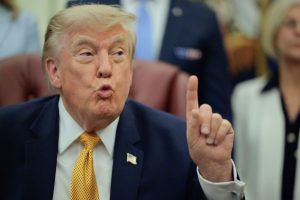
President Donald Trump's strategy of using tariffs to discourage trade with China and incentivize American reshoring appears to be backfiring, with some U.S. companies that previously moved away from China now reinvesting in Chinese suppliers. Alliance Consumer Group, a Texas-based flashlight company, exemplifies this trend. Last year, when U.S. tariffs on Chinese goods significantly increased, making it financially challenging to import from China, the company encouraged its Chinese manufacturer to build a factory in Thailand. However, with the recent reduction in Chinese import levies to levels comparable with other Southeast Asian countries like Vietnam and Thailand, Alliance Consumer Group is now reconsidering its manufacturing locations. "Have we pulled back to China? Yes, we have," stated Phil Laster, chief operations officer of Alliance Consumer Group, in an interview with The New York Times. Economist Mary Lovely from the Peterson Institute for International Economics (PIIE) corroborates these anecdotal accounts, suggesting that while quantitative data is not yet available, a trend of U.S. companies returning to Chinese suppliers is logical. Lovely explained to Fortune that this shift makes sense because the tariff differential between China and other countries has decreased following the invalidation of specific tariffs, such as those imposed on Liberation Day last April. The U.S. still maintains tariffs on Chinese goods, but the rates have been adjusted. Under President Trump's Section 301 tariffs, China and Vietnam now face a similar 12.5% tariff rate on certain goods. Other countries like Cambodia, Indonesia, and Malaysia have a 10% rate. This adjustment in tariff rates has effectively diminished the competitive advantage that other countries previously held over China in offering cheaper exports to U.S. companies. The effectiveness of these tariffs in curbing America's reliance on China for key manufacturing inputs has been a subject of ongoing debate. Prior to these adjustments, the U.S. had imposed significant tariffs, with rates reaching as high as 145% on some goods from China. The intention behind these measures was to protect domestic industries and encourage manufacturing to return to the United States. However, the shifting global economic landscape and the strategic adjustments by both the U.S. and China have led to complex outcomes. Companies are constantly evaluating their supply chains to optimize costs and mitigate risks, and the fluctuating tariff environment plays a crucial role in these decisions. The current tariff structure, while still imposing costs, has created a more level playing field that makes China a viable option again for some businesses that had sought alternatives. This situation highlights the intricate nature of international trade policy and its direct impact on corporate decision-making and global supply chain dynamics. The long-term implications of these tariff adjustments on American manufacturing and the broader U.S.-China economic relationship remain to be seen, but the immediate effect is a reconsideration of previously established diversification strategies by some U.S. firms.
Original source — read the full reporting at the publisher:
Read on FortuneGet the weekly AI digest
AI news + new model releases, weekly. Drafted by our agents, reviewed by humans.