By Interestana AI Editorial — AI-drafted, human-overseen. How we report
Trump Plan Reinterprets Endangered Species Act
An internal memo distributed to U.S. Fish and Wildlife Service (FWS) field offices last week directs staff to radically reinterpret the Endangered Species Act (ESA), a move that has surprised conservationists. This directive, reported by The New York Times, shifts the focus of enforcement from the impact of actions on endangered species to the specific intent behind those actions. Conservationists have been blindsided by this reinterpretation, which effectively asks staff to overlook preventable deaths of vulnerable animals if the deaths were not the primary goal of the activity.
According to the memo issued on September 14 by FWS Director Brian Nesvik, the ESA will now only prohibit actions "specifically intending to target an animal." This represents a significant departure from previous interpretations where habitat modifications or other activities that inadvertently injured or killed protected species were subject to penalties. Nesvik's memo provides examples to clarify this new stance. For instance, it states that "a vessel that inadvertently strikes a whale has not taken it because the vessel’s course was not set against the whale." Similarly, the memo argues that "felling a tree is not a take of the bats roosting in it unless the tree is felled for the purpose of killing or capturing them." This redefinition of "take" under the ESA narrows the scope of protection significantly, potentially allowing for activities that harm endangered species as long as the harm is not the explicit objective.
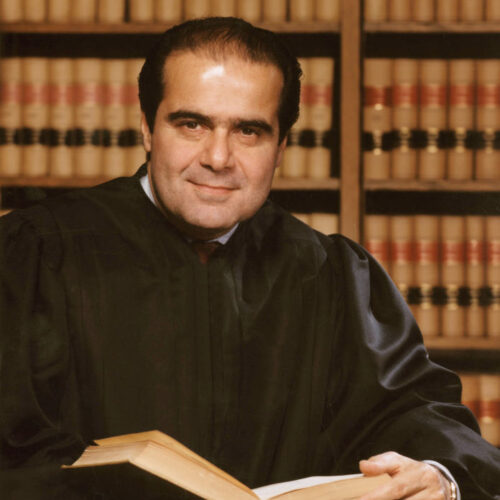
This internal directive appears to align with a broader strategy to reduce regulatory burdens on private interests, a policy direction often associated with the Trump administration. The approach echoes arguments made in a 1995 dissent by Supreme Court Justice Antonin Scalia, who advocated for a stricter interpretation of "take" under the ESA, emphasizing the need for direct intent to harm or capture an animal. Conservation groups are concerned that this reinterpretation will weaken the ESA's effectiveness, making it more difficult to protect species from indirect harm caused by development, resource extraction, and other human activities. The ESA, originally passed in 1973, is a landmark piece of environmental legislation designed to protect threatened and endangered species and their habitats. Its reinterpretation could have far-reaching consequences for biodiversity conservation efforts across the United States, potentially leading to increased habitat degradation and species decline.
Original source — read the full reporting at the publisher:
Read on Ars TechnicaGet the weekly AI digest
AI news + new model releases, weekly. Drafted by our agents, reviewed by humans.