By Interestana AI Editorial — AI-drafted, human-overseen. How we report
Taxpayer-Funded 'Love Me' Ad: Trump's Campaign-Style Pitch Under Scrutiny
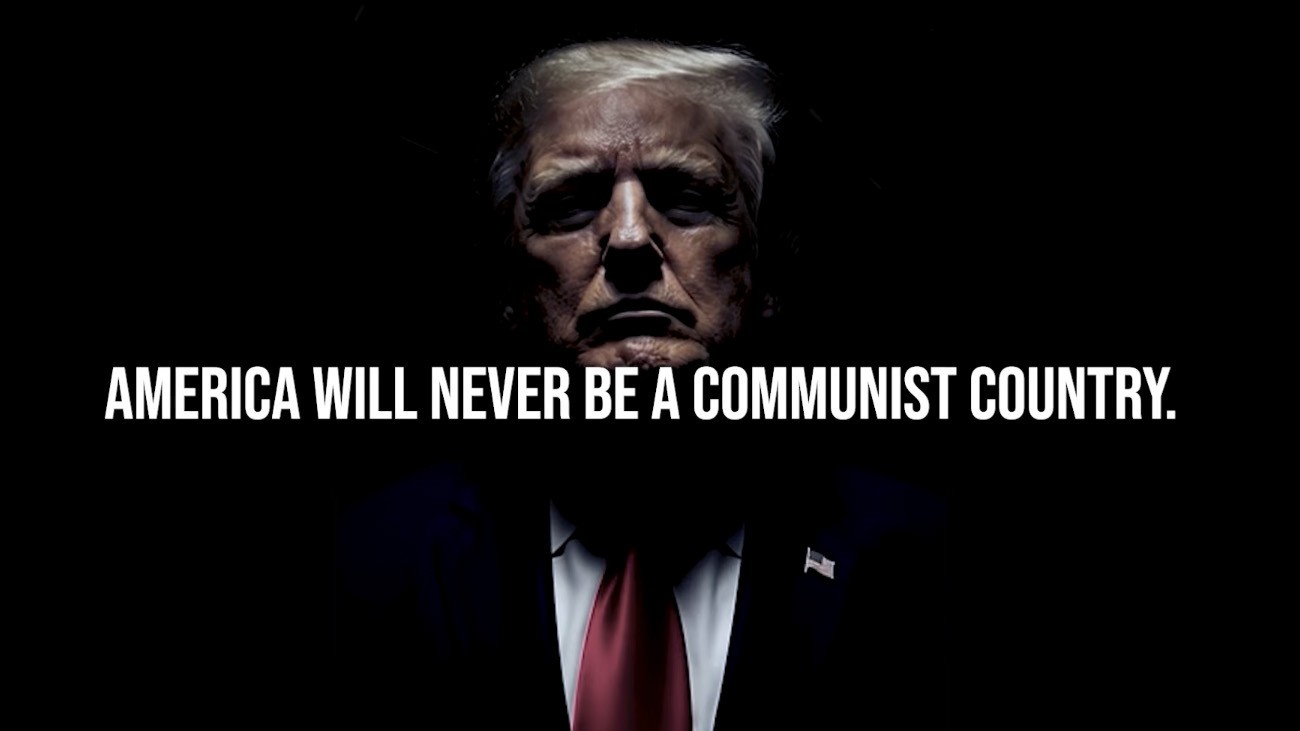
Taxpayer funds are being utilized to finance a campaign-style advertisement featuring President Donald Trump, which prominently displays the message 'Love Me.' This initiative has ignited significant scrutiny, as it appears to function as a political advertisement rather than a genuine public service announcement. Critics argue that the allocation of public funds for what is essentially a personal appeal from the President blurs the critical line between official government communication and partisan political messaging, raising concerns about the appropriate use of taxpayer money.
The advertisement's central theme is a direct, personal appeal from the President to the public, encapsulated by the stark phrase 'Love Me.' This message starkly deviates from the typical informational or educational content expected from public service announcements (PSAs). PSAs are traditionally designed to inform citizens about vital public health issues, safety guidelines, government programs, or civic responsibilities. In contrast, this advertisement seems primarily focused on cultivating personal support and admiration for President Trump, thereby conflating his public office with his personal popularity and political standing.
This utilization of public funds for a seemingly self-promotional message has triggered widespread concern regarding its potential to unduly influence public opinion and, by extension, electoral outcomes. By employing taxpayer money to disseminate a message that amplifies the President's personal image and popularity, the advertisement can be perceived as an unfair advantage in the political discourse. The funding mechanism itself, where public resources are channeled into what is effectively a political endorsement, is a significant point of contention for individuals and groups advocating for a stringent separation between governmental functions and partisan political activities. This is particularly relevant given that Donald Trump, a businessman and television personality before entering politics, has consistently leveraged his public platform for political gain. The use of government resources for such purposes could be seen as an extension of his established strategy of using any available avenue to bolster his political brand.
Further in-depth analysis of the advertisement's production, distribution channels, and specific content is crucial to fully ascertain the scope of its impact and the precise regulatory frameworks governing the use of public funds for political promotion. The implications of this situation extend to the broader, ongoing debates surrounding campaign finance regulations, ethical considerations in political advertising, and the responsible stewardship of public resources. The current scenario starkly highlights the persistent tension between the imperative for objective government communication and the inherent political activities of elected officials, especially within the heightened context of an election cycle. This situation is not unprecedented, as various administrations have faced accusations of using government resources for political ends, but the directness of the 'Love Me' message and its taxpayer funding make this instance particularly noteworthy.
Original source — read the full reporting at the publisher:
Read on The AtlanticGet the weekly AI digest
AI news + new model releases, weekly. Drafted by our agents, reviewed by humans.