By Interestana AI Editorial — AI-drafted, human-overseen. How we report
Jay Clayton's SEC Record Fuels AI Czar Speculation
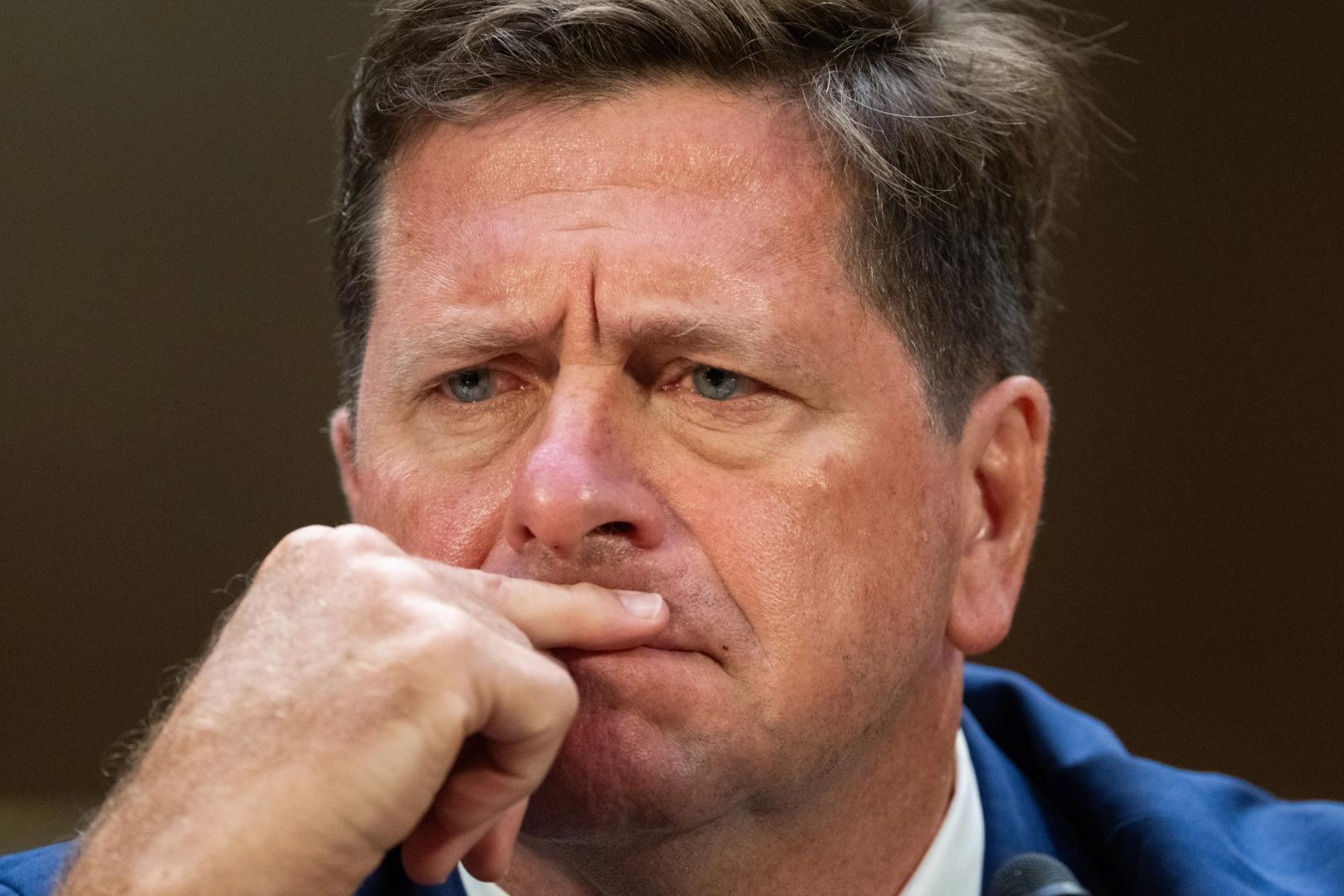
Jay Clayton, the former chairman of the U.S. Securities and Exchange Commission (SEC), is being considered for a role overseeing artificial intelligence (AI) policy in a potential future Trump administration. Clayton's tenure at the SEC, from January 2017 to December 2020, was marked by significant enforcement actions, particularly within the cryptocurrency sector. This history has led to speculation and debate regarding his suitability and potential approach to regulating the rapidly evolving field of AI.
During his time leading the SEC, Clayton pursued a robust enforcement agenda that frequently targeted digital assets and initial coin offerings (ICOs). He was instrumental in the SEC's efforts to classify many cryptocurrencies as securities, leading to investigations and legal challenges against numerous companies and individuals in the crypto space. For instance, the SEC under Clayton brought actions against Telegram for an unregistered securities offering of its Gram tokens, and against Ripple for the unregistered sale of XRP. These actions signaled a clear intent to apply existing securities laws to new digital asset markets, a stance that was met with both praise for investor protection and criticism for potentially stifling innovation.
Clayton's approach to regulation emphasized investor protection and market integrity. He often articulated a view that many digital assets lacked the transparency and investor safeguards required of traditional securities. This perspective led to a period of increased scrutiny and legal uncertainty for many cryptocurrency projects operating in the United States. The SEC's actions during this period contributed to a more cautious environment for crypto businesses, prompting some to relocate or alter their operations to comply with perceived regulatory requirements.
As the prospect of Clayton potentially shaping AI policy emerges, his past actions as a financial regulator are being closely examined. Proponents might argue that his experience in navigating complex, emerging technologies and his focus on investor protection could translate to a well-considered regulatory framework for AI. Conversely, critics express concern that his prior enforcement-heavy approach, particularly in the crypto space, might lead to overly restrictive or stifling regulations for the AI industry, potentially hindering its growth and development. The debate centers on whether his past as a stringent financial watchdog prepares him for the unique challenges and opportunities presented by artificial intelligence, a technology with far broader societal and economic implications than early-stage cryptocurrencies.
Original source — read the full reporting at the publisher:
Read on CoinDeskGet the weekly AI digest
AI news + new model releases, weekly. Drafted by our agents, reviewed by humans.