By Interestana AI Editorial — AI-drafted, human-overseen. How we report
Newsom Calls Trump's Iran Comments Treasonous
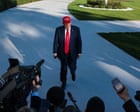
California Governor Gavin Newsom has strongly condemned remarks made by former President Donald Trump regarding Iran's potential to target Los Angeles and San Diego. Newsom described Trump's comments as "dangerous, if not treasonous," asserting that the former president was "putting a target on two of our biggest cities and one of America’s largest naval hubs." These statements were made in the context of a broader discussion about national security and geopolitical tensions, with specific reference to Iran's capabilities and intentions. The governor's office indicated that California would "actively monitor" for any potential threats following Trump's pronouncements. The remarks by Trump, as reported, suggested that Iran could "take out" Los Angeles and San Diego, a claim that has drawn significant criticism from political figures and security analysts alike. This incident highlights ongoing political divisions and differing approaches to foreign policy and national security within the United States. The governor's strong reaction underscores the gravity with which such statements are being taken by state leadership, particularly concerning the safety and security of major Californian cities and critical infrastructure, including naval bases. The situation also brings to the forefront the complex relationship between rhetoric, international relations, and public perception of safety. Newsom's criticism implies a belief that Trump's words could incite or embolden adversaries, thereby increasing the risk to American citizens and assets. The reference to "one of America’s largest naval hubs" likely pertains to naval installations in the Southern California region, which are vital to national defense. The governor's stance reflects a commitment to protecting the state's residents and its strategic interests from perceived threats, regardless of their origin. The political fallout from Trump's comments is expected to be significant, potentially influencing public opinion and future political discourse on national security and foreign policy. The governor's direct accusation of "treasonous" behavior is a severe charge, indicating the extreme nature of his disagreement with Trump's rhetoric and its potential consequences. This event is unfolding against a backdrop of heightened global tensions and ongoing debates about the role of the United States in international affairs. The specific context of Iran's alleged capabilities and intentions, as framed by Trump, adds another layer of complexity to the situation, prompting scrutiny of intelligence assessments and diplomatic strategies. The governor's office has pledged vigilance, suggesting a proactive approach to safeguarding the state against any emergent dangers stemming from these controversial statements. The broader implications for US foreign policy and the perception of American vulnerability are also significant, as such rhetoric can shape how other nations view the stability and resolve of the United States. The governor's public denouncement serves as a clear signal of opposition to Trump's approach, emphasizing the importance of responsible communication in matters of national and international security. The reference to a Reuters/Ipsos poll, which indicates that most US voters believe the government is not taking AI risks seriously enough and desires new regulations, suggests a public concern about emerging technological threats alongside traditional geopolitical ones. This poll, which concluded on a Monday after a six-day survey period, revealed that a significant portion of the electorate views AI as a substantial threat to American jobs, highlighting a widespread skepticism towards the technology across the political spectrum. While the summary focuses on Newsom's reaction to Trump's comments, the inclusion of the AI poll data suggests a potential, albeit indirect, connection to broader anxieties about future threats and the government's preparedness. The juxtaposition of geopolitical threats and technological risks underscores the multifaceted nature of security concerns facing the nation.
Original source — read the full reporting at the publisher:
Read on The Guardian WorldGet the weekly AI digest
AI news + new model releases, weekly. Drafted by our agents, reviewed by humans.