By Interestana AI Editorial — AI-drafted, human-overseen. How we report
Trump's Irrationality Poses Danger
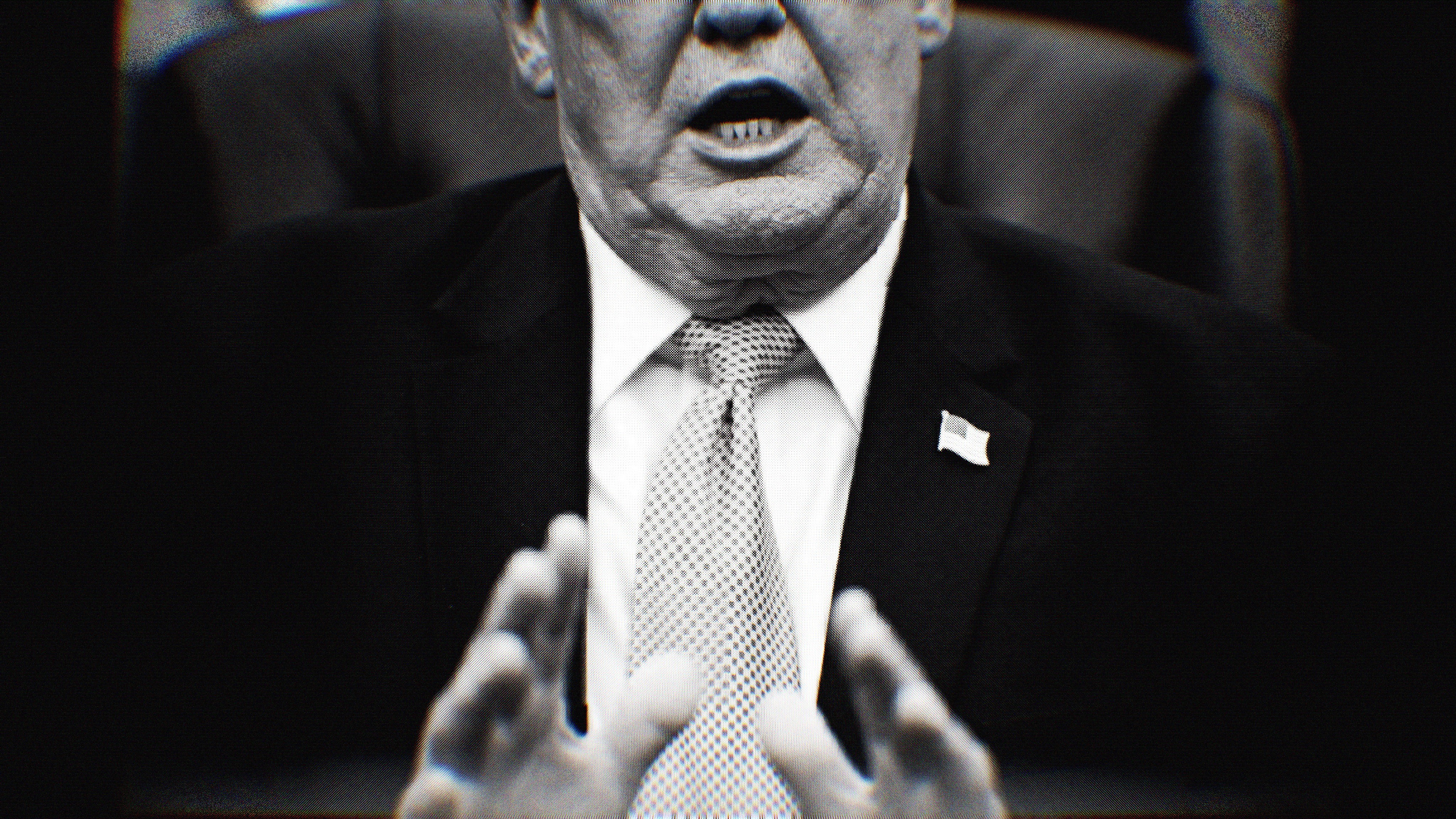
The recent public statements made by former President Donald Trump have been characterized as a sign of serious dysfunction within the Oval Office, according to an analysis. These pronouncements are not being viewed as strategic political maneuvers but rather as indicators of a deeper, more personal irrationality that poses a significant danger. The analysis posits that this irrationality stems from a fundamental inability to engage with reality and a persistent reliance on personal grievances and unsubstantiated claims, which can undermine rational decision-making processes. This pattern of behavior, the analysis suggests, is not new but has become increasingly pronounced, raising concerns about its potential impact on governance and public trust.
The core of the concern lies in the former president's perceived detachment from factual accuracy and his tendency to operate within an echo chamber of his own making. This environment, the analysis argues, reinforces his distorted perceptions and makes him resistant to external evidence or dissenting opinions. Such a mindset, when coupled with positions of power or influence, can lead to policy decisions that are not grounded in objective realities or the best interests of the nation. The implications of this are far-reaching, potentially affecting everything from domestic policy to international relations, as decisions may be driven by personal impulses rather than strategic considerations.
Furthermore, the analysis highlights the potential for this irrationality to manifest in unpredictable ways, creating instability and uncertainty. When a leader's actions are perceived as erratic or driven by emotion rather than reason, it can erode confidence among allies and adversaries alike. This can lead to miscalculations and escalations in geopolitical contexts, as other nations may struggle to anticipate or understand the motivations behind such decisions. Domestically, it can foster an environment of distrust and division, as the public grapples with leadership that appears to operate outside the bounds of conventional logic and established norms.
The author of the analysis suggests that this pattern of irrationality is not merely a political tactic but a deeply ingrained aspect of the former president's character. This perspective implies that attempts to reason with him or to appeal to his sense of logic are likely to be futile. Instead, the focus should be on understanding the implications of such behavior and developing strategies to mitigate its potential negative consequences. The danger, therefore, is not just in the content of his statements but in the underlying psychological and cognitive patterns that drive them, which could have profound and lasting effects on the political landscape and beyond.
Original source — read the full reporting at the publisher:
Read on The AtlanticGet the weekly AI digest
AI news + new model releases, weekly. Drafted by our agents, reviewed by humans.