By Interestana AI Editorial — AI-drafted, human-overseen. How we report
US Native Unemployment Rises Amidst Immigration Policy Shift
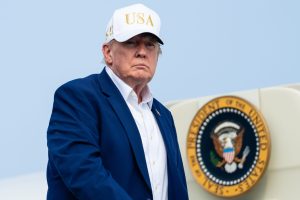
President Trump's immigration policy, aimed at prioritizing American workers by reducing immigrant labor, appears to be having unintended consequences, with data indicating a rise in U.S.-born unemployment and stalled wage growth. January data from the Census Bureau revealed a significant decline in net international migration, dropping from a peak of 2.7 million people in 2024 to an estimated 321,000 by mid-2026. Brookings further suggests the U.S. could experience negative net migration this year. Economists had previously anticipated that this reduction in immigration would help stabilize the U.S. unemployment rate due to decreased labor demand. The latest data shows the unemployment rate holding steady at 4.1%. However, a notable shift has occurred: foreign-born unemployment fell below native-born unemployment in October 2025, according to an analysis by Mark Zandi, chief economist at Moody’s, based on a 12-month moving average of seasonally unadjusted data. Zandi explained to Fortune that the shrinking immigrant labor force, a direct result of White House policy, contributes to the lower unemployment rate among foreign-born individuals. The increase in native-born unemployment is attributed to a broader decline in labor demand, meaning U.S.-born workers, now comprising a larger share of the labor force, are more susceptible to these shifts. Additionally, the types of jobs and wages that immigrant workers have historically accepted are not as appealing to native-born workers. Data from the Bureau of Labor Statistics for 2025 indicated that foreign-born workers were more concentrated in sectors such as construction, trucking, natural resources, and health and personal care. The median weekly earnings for foreign-born, full-time wage and salary workers were also a factor in this labor market dynamic, though specific figures for this group were not fully detailed in the provided text. This trend suggests that while the policy aimed to boost opportunities for American workers, the complex interplay of reduced labor supply, shifting job preferences, and overall economic demand has led to a situation where native-born unemployment is on the rise, and wage growth is not keeping pace, potentially undermining the policy's intended benefits.
Original source — read the full reporting at the publisher:
Read on FortuneGet the weekly AI digest
AI news + new model releases, weekly. Drafted by our agents, reviewed by humans.