By Interestana AI Editorial — AI-drafted, human-overseen. How we report
US Tariff on Canadian Wildfire Smoke Could Set Climate Precedent
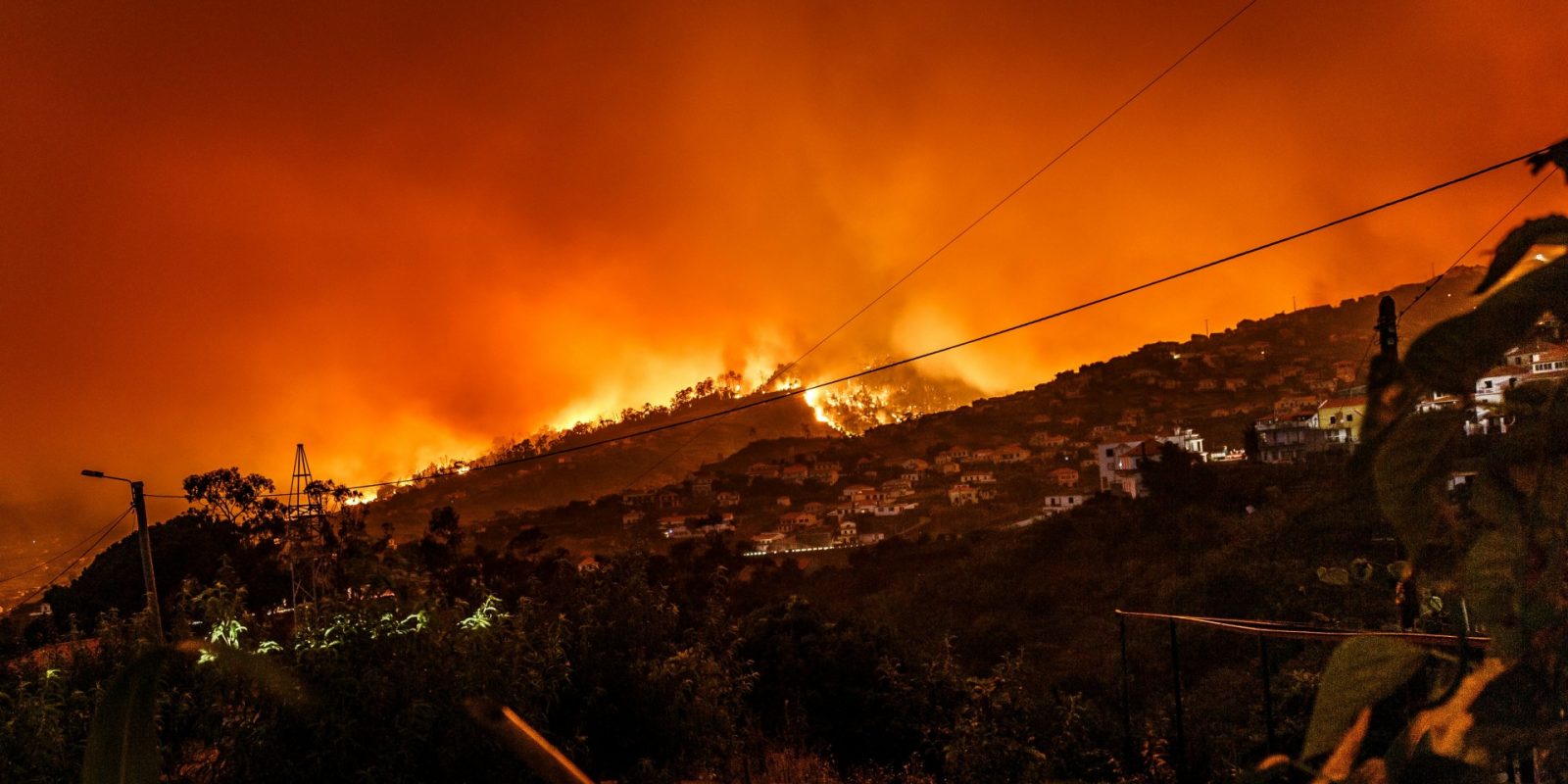
A proposal by the Trump administration to impose tariffs on Canada due to wildfire smoke crossing the border, while initially appearing as a politically motivated "dumb idea," could inadvertently set a valuable international precedent for addressing transboundary environmental issues. This concept, if implemented, would link economic consequences to environmental damage, potentially encouraging greater accountability for actions that impact neighboring nations.
The core of the idea revolves around the principle of shared responsibility for environmental externalities. Wildfires, often exacerbated by climate change and land management practices, release significant amounts of particulate matter and greenhouse gases. When this smoke drifts across international borders, it affects air quality, public health, and economic activity in the receiving country. The proposed tariff suggests that the originating country should bear some economic cost for these transboundary impacts.
While the specific implementation and legality of such a tariff are complex and likely to face significant challenges, the underlying principle could be adapted for broader climate change mitigation efforts. It moves beyond voluntary agreements and towards a system where nations are financially incentivized to manage their environmental footprint, especially when that footprint extends beyond their own borders. This could include emissions from industrial activity, deforestation, or other practices that contribute to global environmental problems.
Critics may point to the potential for retaliatory tariffs and the difficulty in accurately quantifying the economic damage caused by smoke. However, proponents argue that the novelty of the approach lies in its direct linkage of environmental harm to economic penalties. This could spur innovation in cross-border environmental cooperation and establish a framework for holding nations accountable for their contributions to shared environmental crises, including climate change. The precedent, if established, could encourage more proactive environmental policies globally.
Original source — read the full reporting at the publisher:
Read on ElectrekGet the weekly AI digest
AI news + new model releases, weekly. Drafted by our agents, reviewed by humans.