By Interestana AI Editorial — AI-drafted, human-overseen. How we report
Trump Targets Birthright Citizenship With Executive Orders
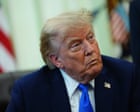
On Thursday, August 6, 2026, Donald Trump issued a pair of executive orders that aim to restrict the constitutional guarantee of birthright citizenship. This action represents the latest effort in a long-standing campaign by the former president to undermine this fundamental right, which has been a consistent focus of his for over a decade. The executive orders seek to expand the criteria for children deemed ineligible for automatic US citizenship and to prohibit "birth tourism." Trump asserted that "hundreds of thousands" of individuals engage in birth tourism. The Supreme Court had reaffirmed the principle of birthright citizenship just five weeks prior to these executive orders, underscoring the legal standing of this right. Birthright citizenship in the United States is primarily derived from the 14th Amendment to the Constitution, which states that "All persons born or naturalized in the United States, and subject to the jurisdiction thereof, are citizens of the United States and of the State wherein they reside." This amendment has been interpreted by the Supreme Court to grant citizenship to nearly all individuals born within US territory, regardless of their parents' immigration status. Trump's repeated attempts to challenge this interpretation have faced significant legal and constitutional hurdles. His previous efforts to alter birthright citizenship policies have been met with widespread criticism from legal scholars and civil rights advocates who argue that such actions are unconstitutional and would fundamentally alter the fabric of American society. The concept of birthright citizenship, also known as *jus soli*, is a common principle in many countries around the world, though its application and interpretation can vary. In contrast, other nations adhere to *jus sanguinis*, where citizenship is determined by the nationality of one's parents. The executive orders issued by Trump are expected to face immediate legal challenges, potentially leading to further court battles over the interpretation and application of the 14th Amendment. The debate over birthright citizenship touches upon broader discussions about immigration policy, national identity, and the interpretation of constitutional law in the United States. The administration's claims regarding the scale of "birth tourism" have also been a subject of contention, with critics questioning the data and motivations behind such assertions. The legal ramifications of these executive orders could be far-reaching, impacting millions of families and raising questions about the future of citizenship in the United States. The ongoing efforts to modify birthright citizenship reflect a persistent tension between executive authority, constitutional interpretation, and established legal precedent. The historical context of the 14th Amendment, ratified after the Civil War, was to ensure citizenship for newly freed slaves, a purpose that proponents of birthright citizenship argue should not be diluted or undermined by current immigration debates. The executive orders signal a continued engagement with this contentious issue, setting the stage for further legal and political conflict.
Original source — read the full reporting at the publisher:
Read on The Guardian WorldGet the weekly AI digest
AI news + new model releases, weekly. Drafted by our agents, reviewed by humans.