By Interestana AI Editorial — AI-drafted, human-overseen. How we report
Trump's Media Attacks Harm His Party
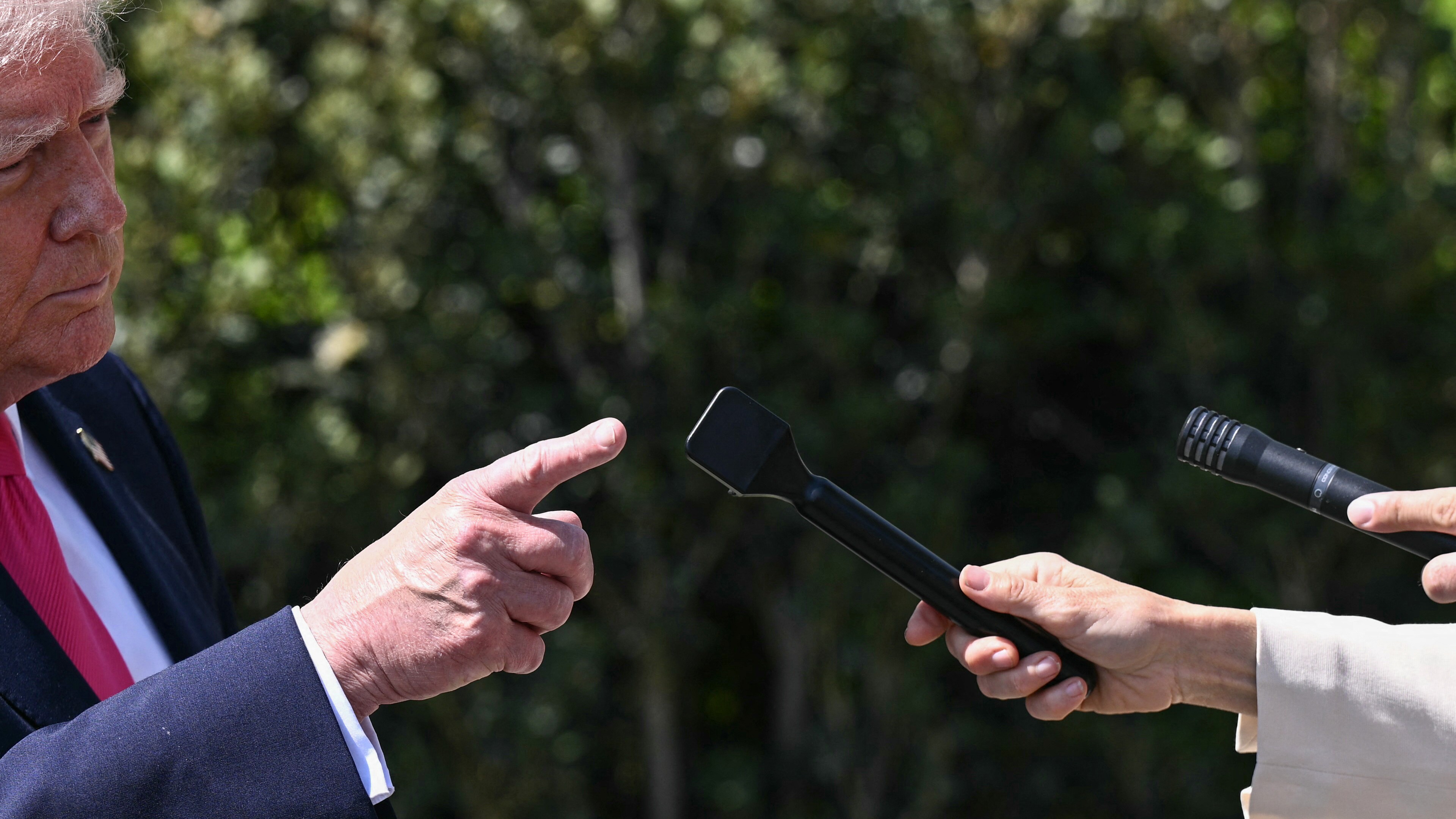
Donald Trump's persistent labeling of all negative news coverage as "fake" or "false" is counterproductive and ultimately self-defeating for his political party. This strategy, employed consistently across his public statements and rallies, creates an echo chamber that shields his supporters from critical perspectives and prevents the party from engaging in necessary self-reflection and adaptation. By dismissing any unfavorable reporting as inherently untrue, Trump erects a barrier that prevents his party from acknowledging or addressing legitimate concerns raised by journalists and the public.
This approach has significant implications for political discourse and governance. When a political leader declares that all negative coverage is fabricated, it erodes the public's trust in the media as a vital check on power. This can lead to a less informed electorate, making it harder for citizens to make sound decisions. Furthermore, it discourages investigative journalism, which plays a crucial role in uncovering corruption, incompetence, or policy failures. Without the threat of exposure, those in power may feel less accountable for their actions.
The consequence for the Republican party, as argued by media analysts, is a growing disconnect from reality. When the party apparatus and its base are conditioned to reject any information that contradicts a predetermined narrative, they become less capable of responding to evolving challenges. This can manifest in an inability to craft effective policy responses to complex issues, a failure to connect with undecided voters who may be swayed by nuanced reporting, and a general stagnation of ideas. The party risks becoming insular, relying on a narrow set of approved viewpoints and becoming resistant to necessary course corrections.
This tactic also limits the party's ability to engage in constructive debate. Instead of addressing the substance of criticisms, the focus shifts to discrediting the messenger. This tactic may rally the most fervent supporters in the short term but alienates potential allies and moderates who value factual reporting and reasoned argument. The long-term effect is a potential decline in electoral success as the party struggles to broaden its appeal beyond its core base. The strategy of labeling all negative coverage as false, therefore, not only undermines democratic institutions but also poses a strategic disadvantage to the political movement that employs it.
Original source — read the full reporting at the publisher:
Read on The AtlanticGet the weekly AI digest
AI news + new model releases, weekly. Drafted by our agents, reviewed by humans.