By Interestana AI Editorial — AI-drafted, human-overseen. How we report
Trump's Antitrust Actions Could Harm His Business
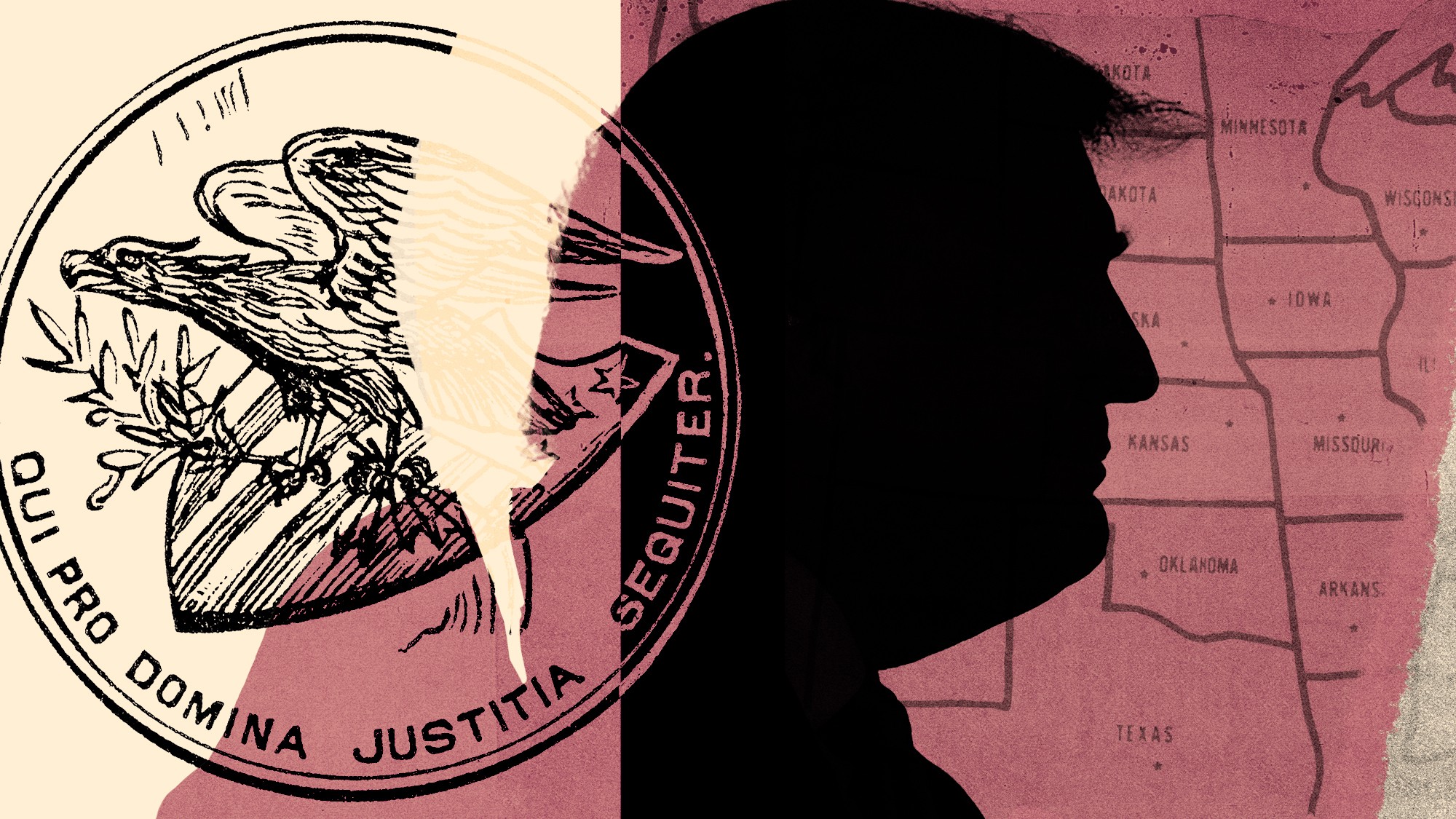
Donald Trump's history of aggressive antitrust rhetoric and actions, particularly during his presidency, could present significant legal and reputational challenges for his own sprawling business empire. While campaigning for president, Trump frequently criticized large corporations and advocated for breaking up monopolies, notably targeting Amazon and Google. His administration initiated investigations into major tech companies, signaling a willingness to use antitrust laws to reshape industries. This precedent, coupled with his public pronouncements, may embolden competitors or regulators to scrutinize his own business dealings more closely.
The former president's own business ventures, which span real estate, hospitality, and media, operate within industries that have historically faced antitrust scrutiny. For instance, his hotel and golf resort businesses compete with large hospitality chains, and his media properties interact with a concentrated digital advertising market. Should Trump win the presidency again, his past statements suggest a potential for renewed antitrust enforcement, which could inadvertently ensnare his own assets. Critics argue that his past actions, such as attempting to block AT&T's acquisition of Time Warner due to his dislike of CNN, demonstrate a pattern of using regulatory power for personal or political ends, rather than purely for market competition.
Furthermore, the legal landscape surrounding antitrust law has evolved, with increased focus on market power, consumer welfare, and the impact of dominant platforms. Trump's own businesses, like many others, operate within this complex environment. His past criticisms of companies for alleged monopolistic practices could be used against him if his own companies are perceived to be engaging in similar behavior. The Live Nation case, which involves allegations of monopolistic practices in the ticketing industry, serves as a contemporary example of how antitrust concerns can lead to significant legal battles and potential divestitures or structural changes for dominant companies. The outcome of such cases can set important precedents for future enforcement actions.
The potential for a backlash against Trump's business interests stems not only from potential regulatory action but also from public perception and investor confidence. Companies associated with political figures often face heightened scrutiny. If Trump's businesses are seen as benefiting from or engaging in practices that he himself has condemned in others, it could lead to reputational damage. This could manifest in decreased consumer loyalty, difficulty securing financing, or increased pressure from shareholders and business partners. The intersection of his political rhetoric and his business activities creates a unique vulnerability, where his own past actions and statements could be weaponized by opponents or legal adversaries.
Original source — read the full reporting at the publisher:
Read on The AtlanticGet the weekly AI digest
AI news + new model releases, weekly. Drafted by our agents, reviewed by humans.