By Interestana AI Editorial — AI-drafted, human-overseen. How we report
Trump's Anti-Growth Agenda Threatens US Hegemony
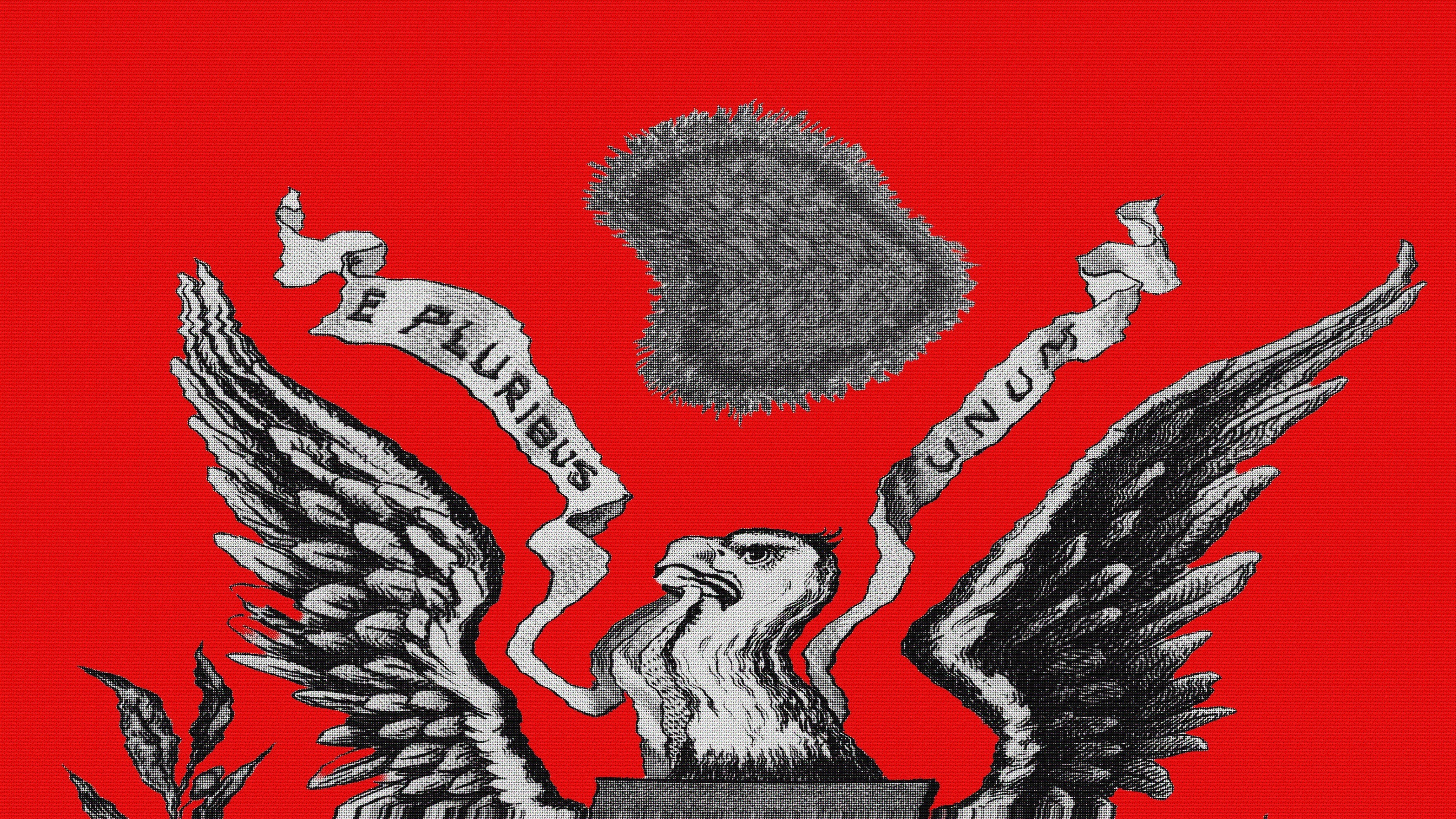
Donald Trump's proposed economic policies, characterized by protectionism and deregulation, are poised to significantly alter the United States' economic trajectory and its standing on the global stage. His "America First" approach, emphasizing tariffs and trade barriers, aims to reshore manufacturing and reduce reliance on international supply chains. This strategy, however, risks sparking trade wars and alienating key allies, potentially fragmenting the global economic order that has underpinned U.S. hegemony for decades. The proposed rollback of environmental and financial regulations, while intended to stimulate domestic business, could also lead to increased economic instability and long-term environmental damage. These policies diverge sharply from the post-World War II consensus that favored free trade and international cooperation as drivers of prosperity and security.
Economists and policy analysts express concern that Trump's agenda could lead to higher consumer prices due to tariffs and reduced competition. Furthermore, a focus on short-term economic gains through deregulation might neglect critical long-term investments in infrastructure, education, and clean energy, which are vital for sustained growth and competitiveness. The potential for increased national debt, as tax cuts are not fully offset by spending reductions, also looms as a significant risk. The International Monetary Fund (IMF) has previously warned that protectionist measures can lead to slower global growth and increased volatility.
The sustainability of U.S. global leadership is intrinsically linked to its economic vitality. A weakening economy, exacerbated by inward-looking policies, could diminish the United States' capacity to project power, fund international initiatives, and maintain its influence in critical geopolitical arenas. This shift could create opportunities for rival powers to expand their economic and political reach, potentially leading to a more multipolar and less stable world order. The long-term consequences of such an agenda could reshape international relations and the global balance of power for generations to come.
Original source — read the full reporting at the publisher:
Read on The AtlanticGet the weekly AI digest
AI news + new model releases, weekly. Drafted by our agents, reviewed by humans.