By Interestana AI Editorial — AI-drafted, human-overseen. How we report
Trump Seeks Supreme Court Green Light for White House Ballroom
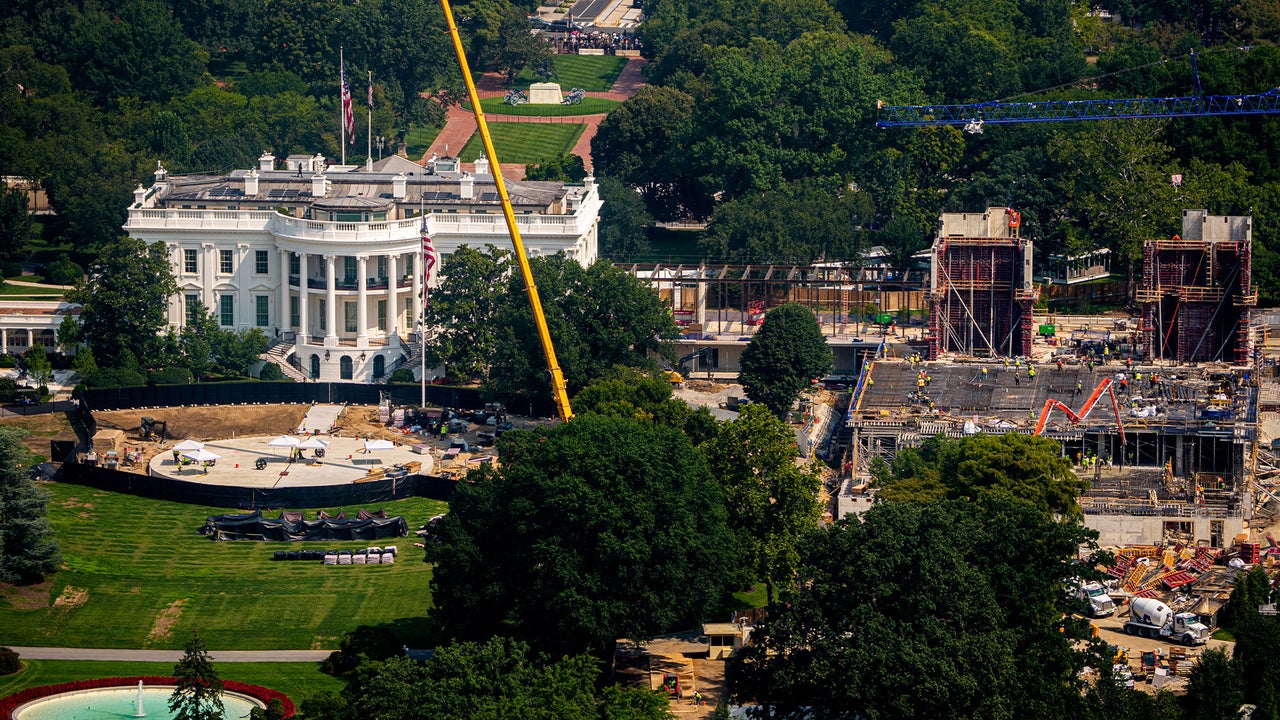
The Trump administration has filed an emergency request with the U.S. Supreme Court to allow construction to continue on a controversial ballroom project adjacent to the White House, arguing that a mandated freeze on the work constitutes a national security threat. The administration's filing, submitted on Friday, states that August 21 is the final day the project can proceed if the Supreme Court does not intervene. U.S. Solicitor General D. John Sauer contended in the filing that construction has progressed too far to be halted, asserting that the point of judicial intervention has been "long since crossed." The administration is seeking the Supreme Court's permission to continue building while the legal challenges surrounding the project are resolved.
Last year, former President Trump initially claimed the ballroom plan would not involve demolition, stating it would be built "near it, but not touching it and pays total respect to the existing building." However, the administration later proceeded with demolishing a structure to make way for the new ballroom. The current argument emphasizes the project's substantial scale and partial completion as reasons for its continuation. Sauer's filing details that the "concrete-and-steel superstructure rises to ‘70 feet above ground in places, with a footprint of nearly 50,000 square feet and extensive above-ground works throughout.’" The administration further claims that the work is more than halfway complete, citing the procurement of "millions of pounds of steel, tens of thousands of cubic yards of concrete poured, and miles of conduit laid."
The project, estimated to cost $400 million, has faced significant opposition and legal hurdles. Critics have raised concerns about the project's impact on the historic White House grounds and the lack of transparency surrounding its approval and construction. The initial plans were met with skepticism regarding their necessity and the potential disruption to the executive mansion's operations. The administration's legal strategy now hinges on the argument that the physical progress of the construction makes a halt impractical and potentially detrimental.
This legal maneuver highlights the administration's determination to push forward with the ballroom project despite ongoing controversies. The Supreme Court's decision on whether to hear the emergency appeal will determine the immediate future of the construction. The case underscores the complex interplay between executive actions, legal challenges, and the preservation of historical landmarks. The scale of the undertaking, as described by the administration, suggests a significant investment in infrastructure that is now at the center of a high-stakes legal battle.
Original source — read the full reporting at the publisher:
Read on Fast CompanyGet the weekly AI digest
AI news + new model releases, weekly. Drafted by our agents, reviewed by humans.