By Interestana AI Editorial — AI-drafted, human-overseen. How we report
Trump Imposes 100% Drone Tariffs, Sparking Business and Safety Concerns
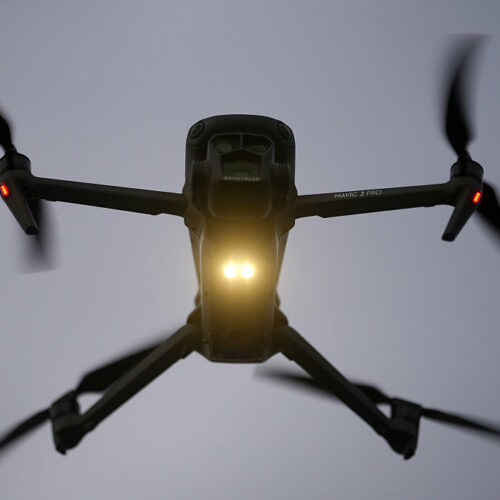
The Trump administration enacted a sweeping 100 percent tariff on foreign-made drones on Thursday, a move that has drawn sharp criticism from industry leaders and public safety advocates who predict significant harm to American businesses and national security. The new tariffs, detailed in guidance from U.S. Customs and Border Protection, target specific types of imported drones. Drones equipped with thermal imaging capabilities or weighing over 55 pounds will face the highest tariff rate of 100 percent. Smaller drones, generally those without thermal imaging and weighing less than 55 pounds, will be subject to a 25 percent tariff. This latter category of "nonsensitive" drones and their components will see the 25 percent tariff take effect on February 9, 2027. The administration has also imposed tariffs on drones manufactured in allied nations, albeit at lower rates. Drones originating from the United Kingdom will incur a 10 percent tariff, while those from the European Union, Japan, Liechtenstein, South Korea, Switzerland, and Taiwan will face a 15 percent tariff. Critics argue that these tariffs will cripple thousands of U.S. businesses that rely on imported drone technology for their operations, including those in agriculture, infrastructure inspection, and emergency response. The Drone Manufacturers Alliance, a trade association representing U.S. drone companies, has expressed deep concern, stating that the tariffs will make it prohibitively expensive for American companies to acquire essential drone technology, thereby stifling innovation and competitiveness. They also warn that the increased costs could lead to job losses within the U.S. drone industry. Furthermore, public safety organizations have voiced apprehension, suggesting that the tariffs could impede the deployment of drones for critical missions such as search and rescue operations, disaster assessment, and law enforcement surveillance. The concern is that the higher costs will limit the availability of advanced drone technology to first responders, potentially compromising their ability to respond effectively to emergencies. The administration's justification for the tariffs has not been explicitly detailed in the initial guidance, but such measures are often framed as protectionist policies aimed at bolstering domestic manufacturing and addressing perceived trade imbalances. However, opponents contend that the U.S. drone manufacturing sector is not yet mature enough to fully replace foreign supply chains, making these tariffs premature and detrimental. The imposition of these tariffs marks a significant escalation in trade policy concerning the drone industry, with potential long-term consequences for both American businesses and the advancement of drone technology within the United States.
Original source — read the full reporting at the publisher:
Read on Ars TechnicaGet the weekly AI digest
AI news + new model releases, weekly. Drafted by our agents, reviewed by humans.