By Interestana AI Editorial — AI-drafted, human-overseen. How we report
Trump Demands South Korea Pay for Iran Policy
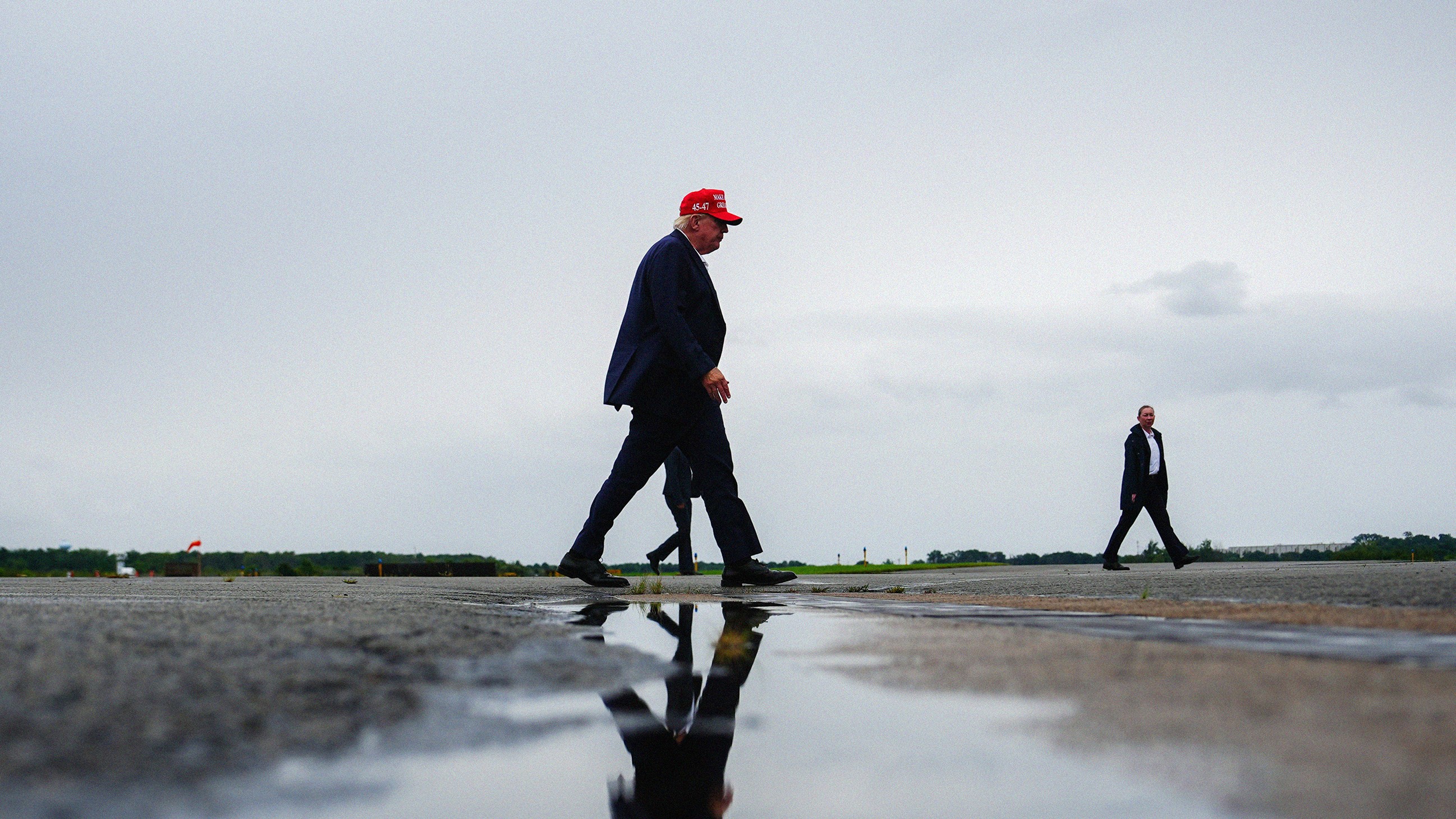
Former President Donald Trump stated that South Korea should pay the United States for financial losses stemming from his administration's policy towards Iran. Trump articulated this demand during a rally in Wildwood, New Jersey, on March 9, 2024. He claimed that Iran was "laughing" at the United States because of the financial situation created by his administration's actions. Trump asserted that his administration had "taken care of" Iran, implying a successful policy, but then pivoted to the financial implications for South Korea. He specifically mentioned that South Korea was "making billions" and that the U.S. was "losing billions" due to the Iran situation. Trump's remarks suggest a transactional approach to foreign policy, where allies are expected to financially contribute to U.S. security or policy outcomes. This statement comes amidst ongoing discussions about defense cost-sharing between the U.S. and its allies, particularly in regions like the Middle East and East Asia. Trump's rhetoric often emphasizes an "America First" agenda, which includes scrutinizing existing alliances and demanding greater financial contributions from partner nations. The former president has previously called for allies to pay more for U.S. military protection. His specific mention of South Korea in relation to Iran policy, however, introduces a novel linkage, suggesting a broader re-evaluation of financial responsibilities within international relations under his potential future leadership. The context of the rally indicates a direct appeal to his base, framing foreign policy through the lens of economic benefit and perceived national humiliation. Trump's policy towards Iran during his presidency involved withdrawing from the Joint Comprehensive Plan of Action (JCPOA) in 2018 and reimposing stringent sanctions, a move that significantly impacted Iran's economy and its ability to conduct international trade. The effectiveness and consequences of these sanctions remain a subject of debate among international relations experts. Trump's assertion that Iran was "laughing" implies a belief that the sanctions, despite their severity, did not achieve their intended strategic objectives or that Iran found ways to circumvent them, leading to a perceived U.S. diplomatic or economic setback. The demand for South Korea to "pay" for this situation suggests a belief that South Korea benefited financially from the global economic order that Trump's policies aimed to reshape, or that South Korea's own economic activities were somehow intertwined with the U.S. efforts against Iran in a way that warrants compensation. This particular demand, linking South Korea's economic standing to the U.S. Iran policy, represents a specific and potentially contentious interpretation of alliance responsibilities and economic interdependence. The rally setting underscores the populist nature of these pronouncements, designed to resonate with voters concerned about economic fairness and national interests.
Original source — read the full reporting at the publisher:
Read on The AtlanticGet the weekly AI digest
AI news + new model releases, weekly. Drafted by our agents, reviewed by humans.