By Interestana AI Editorial — AI-drafted, human-overseen. How we report
FCC Bans New Foreign Solar Inverters on July 28
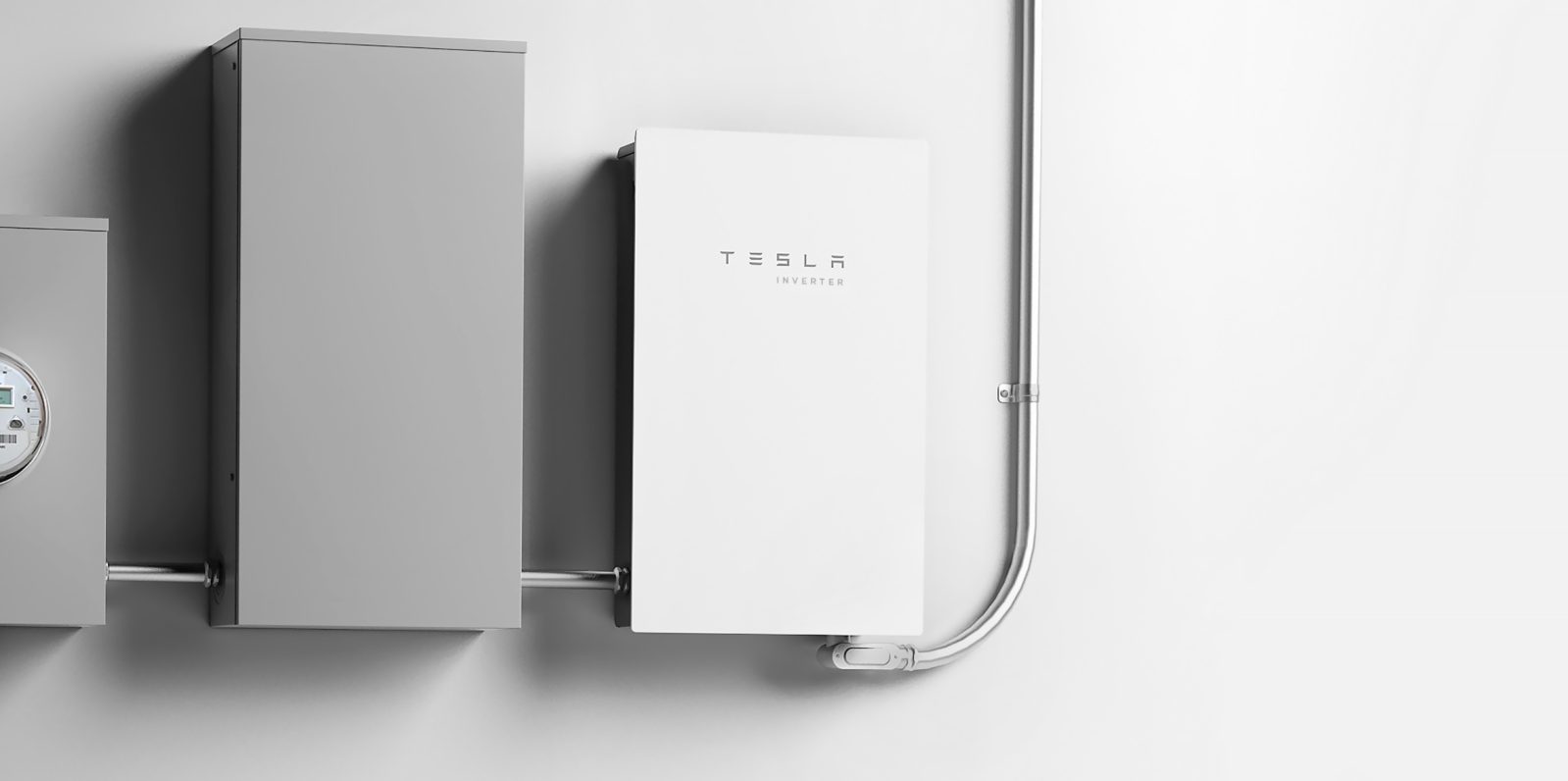
The Federal Communications Commission (FCC) added foreign-made connected power inverters to its Covered List on July 28, effectively prohibiting new models from being imported, marketed, or sold within the United States. This regulatory action specifically targets the radio frequency components within modern inverters, rather than the power electronics themselves. The decision comes at a critical juncture for the domestic solar industry, which is projected to supply only 40% of the combined solar and battery demand in the upcoming year, according to an assessment by the testing firm Intertek CEA. This shortfall highlights a significant reliance on foreign manufacturing for essential components. The FCC's "Covered List" is a mechanism used to identify and restrict telecommunications equipment that poses a national security risk or is deemed untrustworthy. Inclusion on this list prevents companies from using federal funds, such as those from the Universal Service Fund, to purchase or subsidize the equipment. While the FCC's stated aim is to enhance national security and promote trusted technology, the timing of this ban raises concerns about its potential impact on the rapid deployment of renewable energy infrastructure. The solar industry has been experiencing substantial growth, driven by federal incentives and a growing demand for clean energy solutions. The restriction on new foreign-made inverters could lead to supply chain disruptions and potentially increase costs for solar installations. Industry stakeholders have expressed apprehension that this move could slow down the transition to renewable energy by limiting the availability of essential components. The ban underscores a broader trend of governments scrutinizing foreign-made technology, particularly in critical infrastructure sectors. The FCC's action is part of a larger effort to bolster domestic manufacturing and reduce reliance on foreign supply chains, a policy direction that has gained momentum in recent years across various industries. The specific focus on connected inverters suggests a concern about the potential for these devices to be compromised or used for surveillance, given their integration into smart grids and home energy management systems. The FCC's decision will necessitate that manufacturers seeking to sell new connected inverters in the U.S. develop products that meet specific security and technical standards, potentially fostering innovation in domestic manufacturing and design. However, the immediate consequence is a reduction in the available options for U.S. consumers and installers, potentially impacting project timelines and overall costs. The long-term implications for the U.S. solar market and its ability to meet ambitious clean energy targets remain to be seen.
Original source — read the full reporting at the publisher:
Read on ElectrekGet the weekly AI digest
AI news + new model releases, weekly. Drafted by our agents, reviewed by humans.