By Interestana AI Editorial — AI-drafted, human-overseen. How we report
Trump Proposes Opening National Forest Trails to Motorized Vehicles
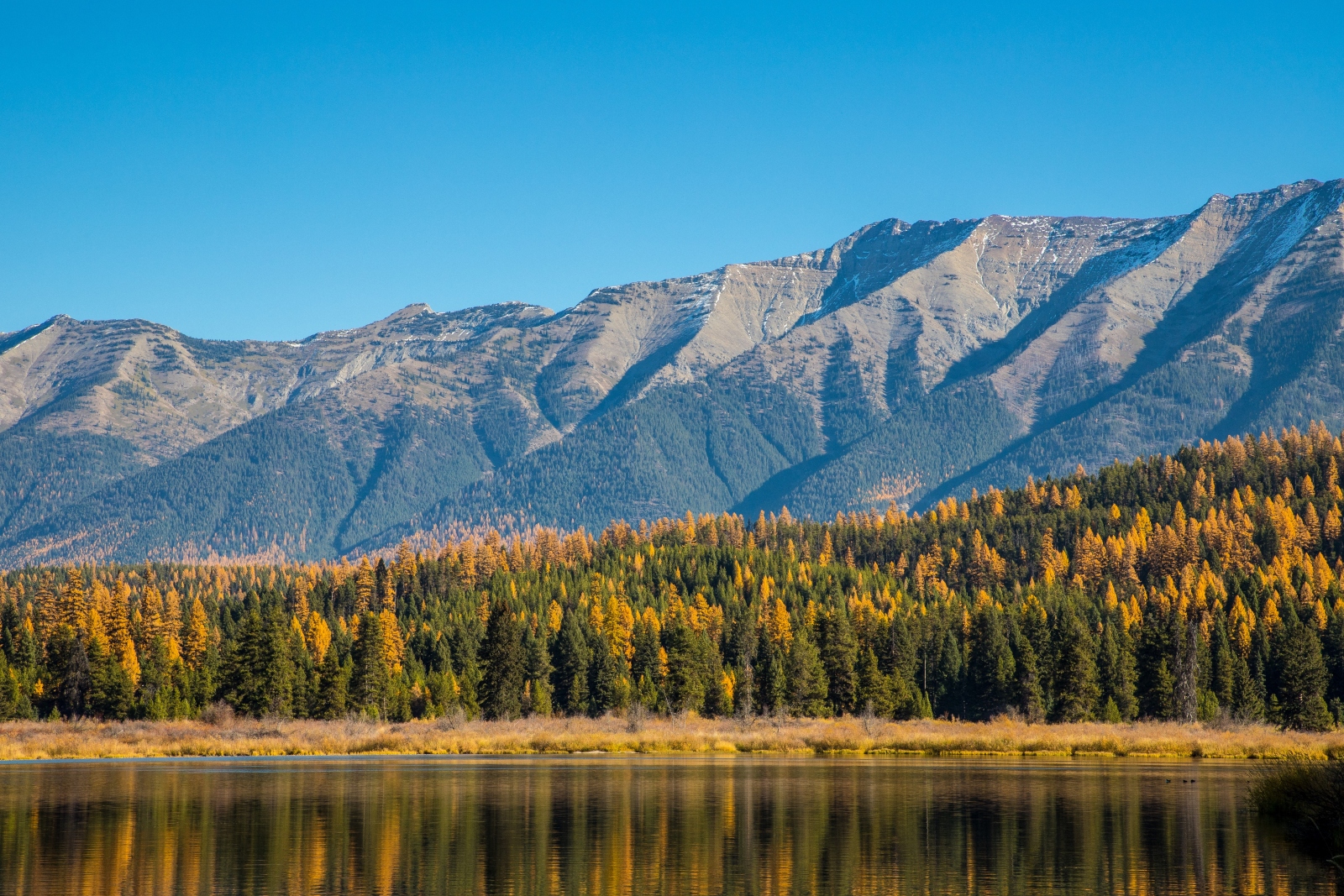
The Trump administration has proposed a significant shift in how national forest trails are managed, aiming to open nearly all of them to motorized vehicles like dirt bikes and ATVs. Currently, the U.S. Forest Service operates under a policy known as the Travel Management Rule, which dictates that trails are "closed unless designated open." This means that unless a trail is explicitly marked as open to off-highway vehicles (OHVs), it is restricted to non-motorized use such as hiking, horseback riding, or mountain biking. Travel management plans, which are detailed documents for most national forests, specify the permitted types of motorized and non-motorized access for every trail, two-track, and road.
The proposed revision by the Trump administration would invert this policy, making trails "open unless designated closed." This change would require forest managers to prioritize motorized access on service roads, trails, and even backcountry airfields. The U.S. Department of Agriculture, which oversees the Forest Service, stated that this initiative is intended to increase recreation access and streamline regulatory processes. The department believes this simplification will benefit users and management alike.
However, the proposal has met with strong opposition from a diverse coalition of groups, including sportsmen, backcountry horsemen, conservation organizations, and non-motorized recreation advocates. These groups express serious concerns that opening up the vast majority of Forest Service trails to motorized use could inflict severe damage on sensitive ecosystems and the wildlife that inhabit these lands. They argue that healthy forest ecosystems play a crucial role in carbon sequestration, a vital process for mitigating climate change. Hillary Eisen, the federal policy director for Wild Montana, a public lands advocacy organization, highlighted that the current system, while complex, aims to balance various recreational uses with environmental protection. The proposed rule change, critics contend, would disproportionately favor motorized recreation at the expense of ecological integrity and the experience of those seeking quieter, non-motorized outdoor activities. The debate centers on balancing increased recreational access with the imperative to preserve natural resources and biodiversity within the national forest system.
Original source — read the full reporting at the publisher:
Read on GristGet the weekly AI digest
AI news + new model releases, weekly. Drafted by our agents, reviewed by humans.