By Interestana AI Editorial — AI-drafted, human-overseen. How we report
Trump Seeks Alliance With Kim, Risking South Korea's Security
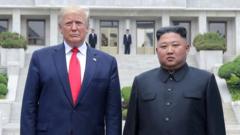
Former U.S. President Donald Trump has expressed a desire to foster a personal friendship with North Korean leader Kim Jong Un, a stance that could potentially reshape geopolitical dynamics in Northeast Asia and carry significant implications for South Korea's security. This overture comes at a time when U.S. military exercises with South Korea have concluded early, a development that observers note places North Korea in a position of perceived strength. Trump's approach, characterized by a focus on personal diplomacy and a willingness to engage directly with authoritarian leaders, contrasts with traditional U.S. foreign policy, which typically emphasizes multilateralism and adherence to international sanctions against North Korea.
The potential consequences of such a personal alliance are multifaceted. For South Korea, a nation that shares a heavily fortified border with the North and has long been a primary target of North Korean aggression, any perceived weakening of the U.S.-South Korea alliance or a shift in U.S. policy towards Pyongyang could be deeply unsettling. South Korea relies heavily on the U.S. security umbrella, and a U.S. president prioritizing a personal relationship with Kim Jong Un over established alliances could erode this critical defense pact. This could embolden North Korea, potentially leading to increased provocations or a relaxation of sanctions without corresponding denuclearization steps, thereby diminishing South Korea's leverage and security guarantees.
Furthermore, Trump's past actions and statements regarding North Korea during his presidency, such as his unprecedented summits with Kim Jong Un, demonstrated a willingness to deviate from established diplomatic norms. While these meetings aimed to de-escalate tensions and explore denuclearization, they also raised concerns among allies about the potential for unilateral U.S. concessions. The current sentiment suggests a potential return to such a strategy, where personal rapport between leaders might supersede the intricate diplomatic frameworks and security assurances that have underpinned regional stability for decades. The early conclusion of joint military drills, a routine demonstration of U.S.-South Korea solidarity, further amplifies these concerns by signaling a potential shift in military posture or priorities.
Analysts suggest that a Trump-led foreign policy prioritizing personal diplomacy with Kim Jong Un could lead to a transactional approach to North Korea, potentially overlooking human rights abuses and the regime's ongoing weapons development programs. This could create a precarious situation for South Korea, forcing it to navigate a complex and potentially hostile regional environment with diminished U.S. backing or a redefined alliance. The strategic balance in Northeast Asia, which has been carefully managed through a combination of deterrence, diplomacy, and alliances, could be significantly disrupted, with South Korea bearing a substantial portion of the geopolitical risk.
Original source — read the full reporting at the publisher:
Read on BBC World NewsGet the weekly AI digest
AI news + new model releases, weekly. Drafted by our agents, reviewed by humans.