By Interestana AI Editorial — AI-drafted, human-overseen. How we report
Trump Administration Explores Limiting Citizen Lawsuits Against Polluters, Threatening Environmental Enforcement
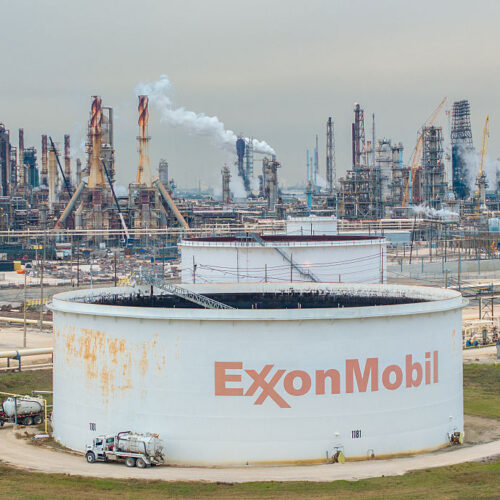
Donald Trump has signaled an intention to restrict the ability of citizens and environmental advocacy groups to initiate legal action against companies engaged in polluting activities. This mechanism, known as "citizen suit provisions," has been a cornerstone of environmental law enforcement in the United States for over five decades. These provisions were deliberately incorporated into foundational environmental legislation by Congress, including the Clean Air Act of 1970, the Clean Water Act of 1972, and the Safe Drinking Water Act of 1974. The explicit intent behind these clauses was to provide a vital avenue for public participation in environmental protection, empowering individuals and organizations to pursue legal remedies when the executive branch of government failed to adequately enforce environmental regulations.
Since their establishment in the 1970s, citizen suit provisions have been instrumental in driving environmental accountability, having been utilized in more than 2,000 lawsuits. This extensive use highlights their critical role, with a significant majority of environmental litigation originating from citizen-led actions. These provisions allow private citizens and non-governmental organizations (NGOs) to file lawsuits against entities believed to be in violation of environmental statutes, or against federal agencies that have neglected their statutory duty to enforce these laws. The tangible impact of these lawsuits is substantial and far-reaching. For instance, citizen suits have been pivotal in halting the construction of dams that threatened endangered species, preventing the harmful injection of industrial wastewater into vital groundwater reserves, and securing substantial financial penalties, such as the $14.2 million in civil penalties levied against a petrochemical facility for egregious illegal emissions. These cases collectively demonstrate how citizen enforcement has actively shaped and strengthened modern environmental law and policy.
The prospect of limiting or eliminating citizen suits under a potential future Trump administration has generated considerable concern among environmental advocates, legal scholars, and public health experts. They argue that such a move would significantly weaken the enforcement of environmental laws, placing a greater burden on government agencies that may be subject to political influence or suffer from resource constraints that impede their enforcement capabilities. The historical efficacy and widespread reliance on citizen suits underscore their importance as a vital backstop to regulatory oversight, ensuring that polluters are held accountable and that public health and natural resources are protected across the nation.
Original source — read the full reporting at the publisher:
Read on Ars TechnicaGet the weekly AI digest
AI news + new model releases, weekly. Drafted by our agents, reviewed by humans.