By Interestana AI Editorial — AI-drafted, human-overseen. How we report
Trump Nominates Republican to FCC, Creating 3-1 Majority
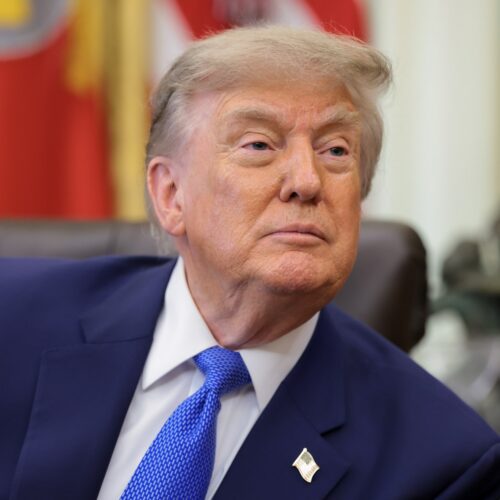
President Donald Trump has nominated Danielle Thumann Severs to a vacant seat on the Federal Communications Commission (FCC), a move poised to grant Republicans a significant 3-1 majority on the five-member regulatory body. This nomination breaks with historical precedent, which typically saw presidents and the Senate collaborate to ensure the president's party held only a one-vote majority on the commission. Historically, the FCC has operated with a 3-2 split, reflecting the party in power and the opposition. However, throughout Trump's second term, the commission has been shorthanded, functioning with a 2-1 Republican advantage. The nomination of Thumann Severs, a lawyer currently serving as senior counsel to FCC Chairman Brendan Carr, aims to solidify this Republican dominance. Her appointment is contingent upon confirmation by the Republican-controlled Senate. The FCC's role is to regulate interstate and international communications by radio, television, wire, satellite, and cable in all 50 states, the District of Columbia and U.S. territories. The commission's decisions significantly impact the telecommunications industry, including broadband deployment, spectrum allocation, media ownership, and consumer protection. A 3-1 majority could allow the Republican commissioners to advance policies favored by the party with less opposition from the single Democratic commissioner. This shift in the commission's composition could influence future regulatory decisions on critical issues such as net neutrality, mergers and acquisitions within the media and telecom sectors, and the rollout of new technologies. The historical norm of a one-vote majority was intended to foster bipartisan consensus and prevent partisan overreach in regulatory matters. By seeking a 3-1 advantage, Trump's administration is signaling a departure from this tradition, potentially leading to more assertive policy-making from the Republican bloc. The Senate's confirmation process will be closely watched, as it will determine the final composition and partisan balance of the FCC for the remainder of Trump's term. The implications of this strengthened Republican majority extend to various aspects of communication policy, potentially shaping the landscape of media and technology regulation for years to come. The FCC's mandate includes ensuring broad public access to diverse sources of information and telecommunications services, and the partisan balance on the commission plays a crucial role in how these objectives are pursued. The nomination of Thumann Severs, with her background as senior counsel to the current chairman, suggests a continuity of policy direction for the Republican members of the commission. Her experience within the FCC is likely to inform her approach to the complex regulatory challenges facing the agency. The absence of a Democratic commissioner to balance the Republican majority could lead to a more streamlined, albeit potentially less balanced, decision-making process on key FCC initiatives. The historical context of FCC commissioner appointments underscores the importance of bipartisan cooperation in maintaining regulatory stability and public trust. Trump's nomination of Thumann Severs represents a deliberate effort to alter this balance, with potential ramifications for the future of communications policy in the United States.
Original source — read the full reporting at the publisher:
Read on Ars TechnicaGet the weekly AI digest
AI news + new model releases, weekly. Drafted by our agents, reviewed by humans.