By Interestana AI Editorial — AI-drafted, human-overseen. How we report
Trump Warns of Economic Consequences for Iran Aid
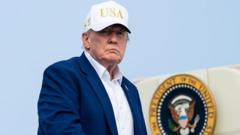
Former President Donald Trump issued a stern warning on Monday, asserting that any nation providing assistance to Iran would face "tremendous economic consequences." This declaration came as a 60-day ceasefire in a regional conflict expired without any indication of a diplomatic or military resolution. Trump's statement signals a potentially aggressive foreign policy approach should he return to office, focusing on isolating Iran through economic pressure on its international partners.
The former president did not specify which countries he was targeting with this warning, nor did he elaborate on the nature of the "tremendous economic consequences" that would be imposed. However, the broadness of the statement suggests a willingness to leverage economic tools, such as sanctions or trade restrictions, against any state deemed to be supporting Iran. This approach aligns with his previous "America First" foreign policy, which often prioritized unilateral action and the use of economic leverage to achieve geopolitical objectives.
Trump's remarks arrive at a time of heightened global tensions, particularly in the Middle East. The expiration of the ceasefire underscores the ongoing instability in the region, and any perceived support for Iran could be interpreted as exacerbating these conflicts. His administration previously implemented a "maximum pressure" campaign against Iran, withdrawing from the Joint Comprehensive Plan of Action (JCPOA) in 2018 and reimposing stringent sanctions. This new threat suggests a potential continuation or even escalation of such policies.
The implications of Trump's warning extend to global trade and diplomacy. Countries that maintain economic ties with Iran, whether for energy imports, regional security cooperation, or other reasons, could find themselves in a difficult position. The United States, under a potential Trump presidency, might seek to enforce secondary sanctions, impacting entities that do business with Iran even if they are not directly involved in prohibited activities. This could lead to significant disruptions in international commerce and strain diplomatic relations between the U.S. and its allies or adversaries alike. The lack of specific details leaves room for interpretation but clearly indicates a readiness to wield economic power as a primary foreign policy instrument to deter support for Iran.
Original source — read the full reporting at the publisher:
Read on BBC World NewsGet the weekly AI digest
AI news + new model releases, weekly. Drafted by our agents, reviewed by humans.