By Interestana AI Editorial — AI-drafted, human-overseen. How we report
Trump Targets Birthright Citizenship With New Policy
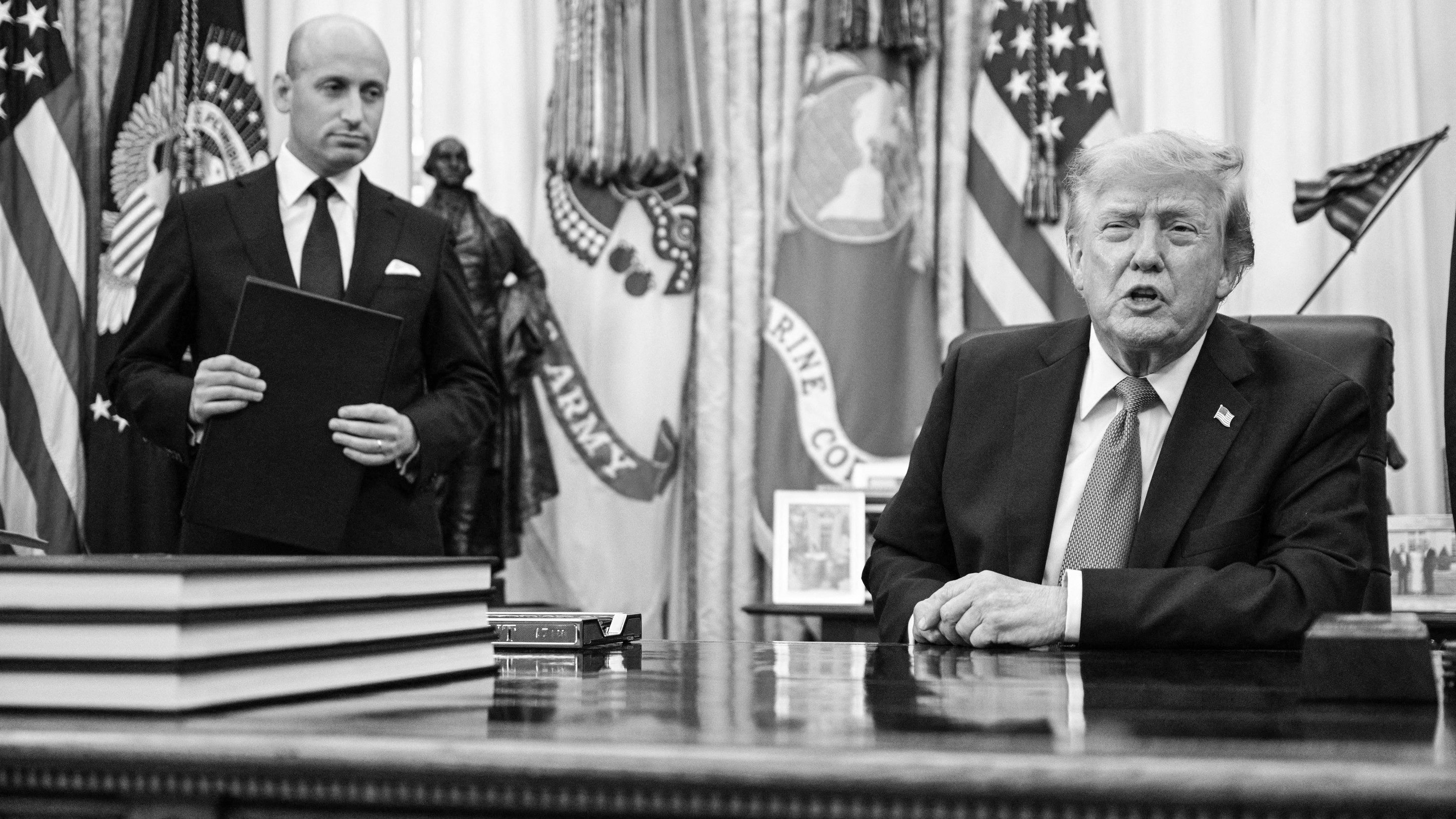
The Trump administration has reignited efforts to challenge and potentially end birthright citizenship in the United States, a policy that grants citizenship to nearly all individuals born on U.S. soil. This latest move, spearheaded by former President Donald Trump, seeks to redefine the interpretation of the 14th Amendment, which states that "all persons born or naturalized in the United States, and to the jurisdiction thereof, are citizens of the United States and of the State wherein they reside." The administration's legal arguments are reportedly based on a narrow and contested interpretation of the amendment, suggesting that children born to parents who are not U.S. citizens or legal permanent residents should not automatically be granted citizenship. This stance contradicts decades of legal precedent and Supreme Court rulings that have affirmed birthright citizenship.
Critics of the policy argue that the legal basis for such a change is exceptionally weak and relies on unsubstantiated claims. They point to the historical context of the 14th Amendment, which was ratified after the Civil War to ensure citizenship for newly freed slaves and their descendants, thereby solidifying its intent to be inclusive. The administration's rationale, however, appears to hinge on the idea that "birthright citizenship" as commonly understood is a misinterpretation and that the amendment does not confer citizenship upon children of undocumented immigrants or those on temporary visas. This perspective has been widely dismissed by constitutional scholars and legal experts who emphasize the amendment's broad language and established legal interpretations.
This is not the first time the Trump administration has attempted to curtail birthright citizenship. During his presidency, Trump frequently expressed his desire to end the practice, often citing concerns about national security and immigration. However, these previous attempts did not result in a formal policy change, largely due to the significant legal and constitutional hurdles involved. The current effort, if enacted, would have profound implications for millions of individuals and families, potentially creating a class of stateless individuals born within the United States. The policy's feasibility and legality are expected to face immediate and substantial legal challenges, likely leading to protracted court battles that could eventually reach the Supreme Court.
The debate over birthright citizenship is deeply intertwined with broader immigration policy discussions in the United States. Proponents of ending birthright citizenship often frame it as a measure to deter illegal immigration and uphold the integrity of the nation's borders. They argue that it incentivizes undocumented individuals to enter and remain in the country, knowing their children will be citizens. Conversely, opponents highlight the humanitarian and economic consequences of revoking birthright citizenship, emphasizing the potential for social instability and the creation of a marginalized population. They also stress the foundational role of birthright citizenship in the American identity and its historical significance in building a diverse and inclusive society. The legal and political ramifications of this policy are expected to be significant, impacting both domestic and international perceptions of U.S. citizenship and immigration.
Original source — read the full reporting at the publisher:
Read on The AtlanticGet the weekly AI digest
AI news + new model releases, weekly. Drafted by our agents, reviewed by humans.