By Interestana AI Editorial — AI-drafted, human-overseen. How we report
Trump Welcomes Xi Jinping to White House
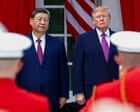
Donald Trump welcomed Chinese President Xi Jinping to the White House on Thursday, September 24, 2026, for a meeting that drew significant attention due to Trump's expressed admiration for Xi's authoritarian leadership. The encounter positioned Trump, a former U.S. president, alongside Xi, the head of the Chinese Communist Party, an entity known for its suppression of media and democratic processes. The event unfolded within the historic setting of the White House, a venue that has hosted numerous diplomatic exchanges over its more than two-century history. Observers noted Trump's deferential stance towards Xi, a leader who presides over a country with a starkly different political system from the democratic ideals espoused by the United States. The meeting's context highlights a notable divergence in foreign policy approaches, particularly concerning relations with authoritarian regimes. Trump's public expressions of admiration for strongman leaders have been a recurring theme in his political career, often contrasting with traditional diplomatic norms. This particular meeting with Xi Jinping underscored that tendency, with Trump appearing to seek insights or validation from a leader who has consolidated power and maintained strict control over information within China. The article implies a potential comparison with other international leaders, such as Vladimir Putin, suggesting a dynamic where Trump might perceive a shared affinity with authoritarian figures. The juxtaposition of Trump's reception of Xi against the backdrop of Xi's human rights record, including the jailing of journalists, was a focal point of commentary. The article suggests that Trump's approach to foreign relations prioritizes a perceived strength and decisiveness in leadership, even when it involves engaging with figures who are widely criticized for their human rights abuses and undemocratic practices. The significance of the meeting lies not only in the diplomatic engagement between the two leaders but also in the ideological and political signaling it conveyed, particularly regarding Trump's foreign policy outlook and his perception of global leadership. The article frames the event as a departure from conventional diplomatic engagements, emphasizing Trump's unique style of interacting with world leaders, particularly those with authoritarian credentials. The meeting served as a public demonstration of Trump's continued influence and his distinct approach to international diplomacy, which often diverges from established norms and alliances.
Original source — read the full reporting at the publisher:
Read on The Guardian WorldGet the weekly AI digest
AI news + new model releases, weekly. Drafted by our agents, reviewed by humans.