By Interestana AI Editorial — AI-drafted, human-overseen. How we report
Trump Signs Executive Orders on Birthright Citizenship
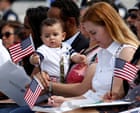
President Donald Trump signed two executive orders on Thursday, August 6, 2026, that the White House stated are intended to restrict eligibility for birthright citizenship and prohibit "birth tourism." These actions follow a previous attempt by the Trump administration to limit birthright citizenship, which was ultimately rejected by the United States Supreme Court. The Supreme Court's decision, made just over a month prior to these executive orders, affirmed the constitutional guarantee of birthright citizenship, a principle that has been a cornerstone of U.S. immigration law and policy for decades. Birthright citizenship, often referred to as *jus soli*, grants citizenship to individuals born within the territorial jurisdiction of a country, regardless of their parents' citizenship or immigration status. This principle is enshrined in the Fourteenth Amendment of the U.S. Constitution, which states that "All persons born or naturalized in the United States, and subject to the jurisdiction thereof, are citizens of the United States and of the State wherein they reside." The executive orders signal a continued effort by the Trump administration to challenge or reinterpret this constitutional provision through administrative means. The specific provisions of the new executive orders were not immediately detailed in the initial reports, but the stated aims suggest a focus on individuals whose parents may be in the U.S. without legal status or are visiting the country temporarily. The concept of "birth tourism" refers to individuals who travel to a country with the intention of giving birth there to secure citizenship for their child, and by extension, potentially for themselves through family reunification pathways. This practice has been a subject of debate and policy proposals in various countries, including the United States, with critics arguing it exploits immigration systems. The legal challenges and policy debates surrounding birthright citizenship highlight ongoing tensions between national sovereignty, constitutional rights, and immigration control. The effectiveness and legality of these executive orders are likely to face further scrutiny and potential legal challenges, given the Supreme Court's prior ruling on the matter and the constitutional nature of birthright citizenship. The administration's approach through executive action indicates a strategy to implement policy changes without direct legislative action, which would require congressional approval. The broader implications of these orders could extend to the rights and status of immigrant families and the interpretation of constitutional amendments in the context of immigration policy. The White House's justification for the orders is expected to center on national security, border control, and the integrity of the immigration system, arguments that have been previously employed in broader immigration policy initiatives. The timing of these orders, shortly after the Supreme Court's rejection of a prior attempt, suggests a persistent focus on this issue within the administration's agenda. The public and legal communities will be closely watching for the specific language and implementation details of these executive directives and their subsequent impact on immigration law and practice in the United States.
Original source — read the full reporting at the publisher:
Read on The Guardian WorldGet the weekly AI digest
AI news + new model releases, weekly. Drafted by our agents, reviewed by humans.