By Interestana AI Editorial — AI-drafted, human-overseen. How we report
Trump Scales Back South Korea War Games
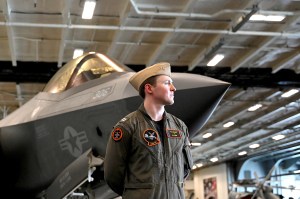
President Donald Trump announced on June 24, 2019, that he was significantly scaling back joint military exercises with South Korea. This decision was made in part due to his belief in a "very good relationship" with North Korean leader Kim Jong Un. The reduction in exercises, which are typically large-scale and involve thousands of U.S. and South Korean troops, was presented by Trump as a cost-saving measure and a signal of de-escalation following diplomatic engagements with Pyongyang. He stated that the exercises were "very expensive" and that he wanted to bring the troops home, framing it as a positive development stemming from his direct negotiations with Kim Jong Un. This move, however, raised concerns among some defense officials and allies about the potential impact on readiness and deterrence against North Korean aggression. The exercises, often referred to as Key Resolve and Foal Eagle, are designed to test and improve the combined defense capabilities of the United States and South Korea in response to potential threats from North Korea. Their reduction or cancellation has historically been a sensitive issue, often linked to the state of inter-Korean relations and denuclearization talks. Trump's announcement came after a series of summits and meetings between the U.S. president and the North Korean leader, including a historic meeting at the Korean Demilitarized Zone (DMZ) in late June 2019. The president's rationale emphasized his personal diplomatic efforts, suggesting that the improved relationship with Kim Jong Un had lessened the immediate need for such extensive joint drills. This approach marked a departure from previous U.S. administrations, which generally maintained a consistent stance on the necessity of these exercises for regional security, regardless of diplomatic overtures. The decision to reduce the war games was met with a mixed reaction. While proponents saw it as a pragmatic step towards peace and a sensible way to cut costs, critics worried that it could embolden North Korea and weaken the alliance's preparedness. The U.S. military presence in South Korea is a cornerstone of regional security, and the scale and nature of joint exercises are closely watched indicators of alliance commitment and threat perception. Trump's administration had previously used the exercises as a bargaining chip in negotiations with North Korea, sometimes suspending or altering them to facilitate dialogue. This particular announcement, however, seemed to be a more definitive step towards a sustained reduction, driven by the president's personal assessment of the diplomatic progress. The implications for the broader geopolitical landscape in Northeast Asia, particularly concerning the denuclearization of the Korean Peninsula, remained a subject of ongoing analysis and debate.
Original source — read the full reporting at the publisher:
Read on FortuneGet the weekly AI digest
AI news + new model releases, weekly. Drafted by our agents, reviewed by humans.