By Interestana AI Editorial — AI-drafted, human-overseen. How we report
Trump Declares Iran Ceasefire Over, Talks to Continue
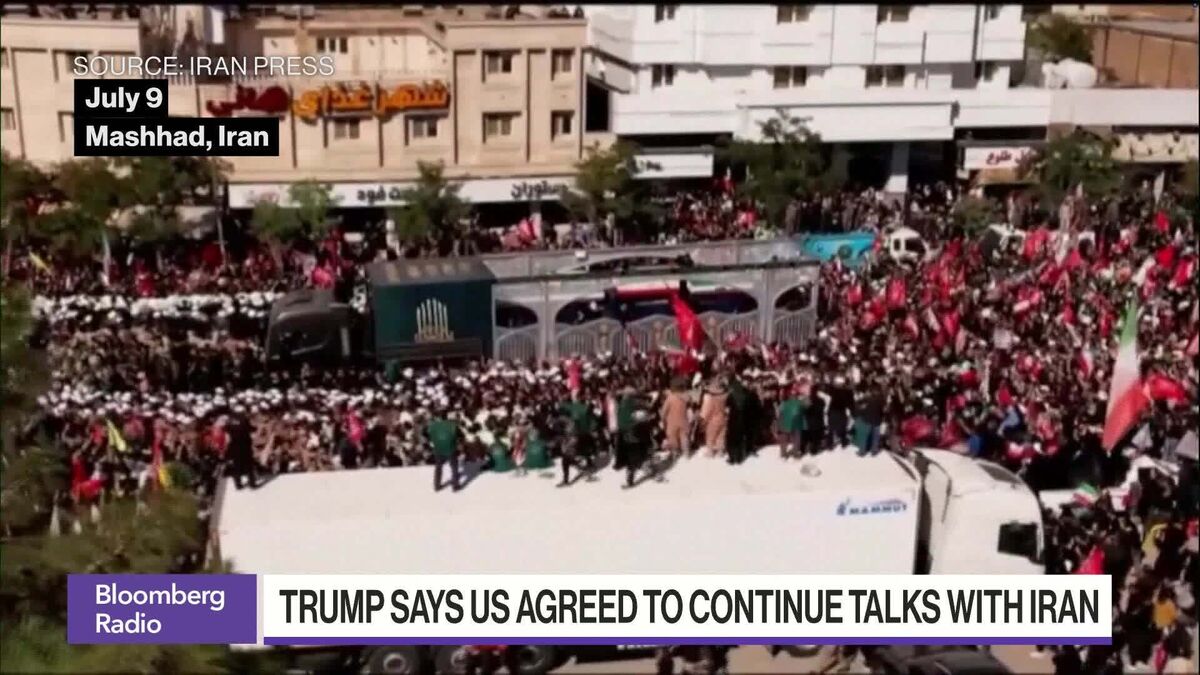
President Donald Trump announced on Friday that the United States considers the ceasefire with Iran to be over, while simultaneously agreeing to continue talks with the Islamic Republic. Trump conveyed this decision via social media, stating, “The Islamic Republic of Iran has asked us to continue ‘talks.’ We have agreed to do so, but the United States has stated to them, in no uncertain terms, that the Cease Fire is OVER!". This development indicates a complex diplomatic stance, where direct confrontation is being avoided in favor of ongoing negotiations despite the termination of the ceasefire agreement. The specific terms of the ongoing talks were not detailed, but the continuation suggests a commitment to dialogue on certain issues between the two nations.
Following Trump's announcement, Trita Parsi, Executive Vice President at the Quincy Institute for Responsible Statecraft, joined discussions regarding the situation. Parsi offered commentary on the United States' historical involvement in the region, characterizing the US track record, particularly concerning democratization efforts, as "abysmal." This perspective suggests a critical view of past US foreign policy in the Middle East, potentially framing the current diplomatic maneuvers with Iran within a broader context of regional instability and historical grievances. The interplay between the declared end of the ceasefire and the continuation of talks highlights the nuanced and often contradictory nature of international diplomacy, especially in volatile geopolitical areas.
The statement from President Trump signifies a shift in the immediate cessation of hostilities, but the agreement to continue discussions implies that underlying diplomatic channels remain open. This dual approach—ending a specific agreement while pursuing broader dialogue—is a common tactic in international relations, aiming to maintain leverage while preventing complete breakdown of communication. The specifics of what issues are being discussed remain undisclosed, but the continuation of talks suggests that the US and Iran are seeking to manage their relationship through negotiation rather than solely through punitive measures or direct conflict. The involvement of think tanks like the Quincy Institute in analyzing these events underscores the broader commentary and expert opinion surrounding US foreign policy in the Middle East.
Original source — read the full reporting at the publisher:
Read on Bloomberg MarketsGet the weekly AI digest
AI news + new model releases, weekly. Drafted by our agents, reviewed by humans.