By Interestana AI Editorial — AI-drafted, human-overseen. How we report
Trump Cancels Iran Strikes Pending Deal
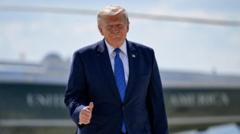
President Donald Trump announced on Saturday, June 22, 2019, that he had called off planned strikes against Iran. This decision came after media reports emerged indicating that the United States was preparing for new, intensified military actions against Iran over the weekend. The President stated that the cancellation was conditional upon Iran "rapidly" making a deal. This statement was made via a series of tweets from his official Twitter account, a platform he frequently uses to communicate significant policy decisions and public statements. The initial reports of impending strikes followed the downing of a U.S. drone by Iran in the Strait of Hormuz. The U.S. military had reportedly identified targets and was prepared to strike, with some reports suggesting the strikes were imminent. However, President Trump indicated that he had halted these plans, suggesting a shift in strategy or a desire to de-escalate tensions through diplomatic means. The President's tweets conveyed a sense of urgency for Iran to engage in negotiations, implying that a window of opportunity for a peaceful resolution was open but potentially short-lived. The specific nature of the "deal" President Trump alluded to was not detailed in his public statements, leaving room for interpretation regarding the terms and conditions that would satisfy the U.S. administration. This move represented a significant, albeit temporary, pause in a period of escalating confrontation between the two nations. The U.S. had previously imposed stringent sanctions on Iran as part of its "maximum pressure" campaign, aiming to curb Iran's nuclear program and its regional activities. The downing of the drone, which the U.S. claimed was in international airspace, and Iran's assertion that the drone violated its territory, had significantly heightened regional tensions. The President's decision to halt strikes, even temporarily, was seen by some analysts as an attempt to avoid a wider conflict in the Middle East, which could have had far-reaching geopolitical and economic consequences. The international community had been closely monitoring the situation, with many nations urging restraint and diplomatic engagement. The U.S. administration's stance, characterized by both aggressive sanctions and a willingness to engage in dialogue, presented a complex foreign policy approach. The outcome of this situation hinged on Iran's response to President Trump's conditional offer and the subsequent diplomatic engagements, if any, that would follow. The President's communication style, often direct and delivered through social media, meant that policy shifts could be announced with little prior warning, creating a dynamic and sometimes unpredictable geopolitical landscape. The decision to cancel strikes, even with the condition of a rapid deal, signaled a potential opening for de-escalation, but the underlying issues and the broader "maximum pressure" campaign remained in place.
Original source — read the full reporting at the publisher:
Read on BBC World NewsGet the weekly AI digest
AI news + new model releases, weekly. Drafted by our agents, reviewed by humans.