By Interestana AI Editorial — AI-drafted, human-overseen. How we report
Trump Considers 7.5% Tariff on China's Cheap Exports
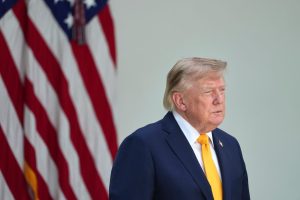
President Donald Trump is reportedly preparing to implement a new tariff targeting China's flood of inexpensive exports, according to three individuals with knowledge of the ongoing deliberations. These sources, who requested anonymity to discuss sensitive internal discussions, indicated that the proposed tariff rate stands at 7.5%. This level is believed by administration officials to be sufficiently moderate to avoid jeopardizing the current one-year trade truce between the United States and Beijing. Furthermore, it is intended to safeguard a planned summit between President Trump and Chinese President Xi Jinping, which is anticipated to occur in late September.
This potential tariff action appears to be a strategic maneuver by the White House to navigate around a significant Supreme Court ruling earlier this year. The court's decision invalidated a previous, more expansive tariff strategy proposed by President Trump, which would have invoked measures not seen since the 1930s. Following this judicial setback, the Trump administration initiated formal investigations in March. These probes are focused on addressing issues such as excess industrial capacity and the use of forced labor in China and several other nations. It remains unclear whether the U.S. administration is nearing conclusions on its investigations into other economies, which include the European Union, Singapore, Switzerland, Norway, Indonesia, Malaysia, Cambodia, Thailand, South Korea, Vietnam, Taiwan, Bangladesh, Mexico, Japan, and India, all of which were identified for potential unfair trade practices.
The White House and the U.S. Trade Representative's office have not yet responded to requests for comment regarding these tariff deliberations. Similarly, the Chinese embassy in Washington has not immediately provided a statement. The investigation into China's excess industrial capacity was formally launched under Section 301 of the Trade Act of 1974. This legislative provision grants the President the authority to impose tariffs on countries found to be engaging in discriminatory practices against U.S. companies or commerce. The proposed 7.5% tariff would be an addition to the existing tariffs already in place on a range of Chinese goods, reflecting an ongoing tension in the bilateral trade relationship. The administration's approach suggests a desire to address perceived unfair trade practices without escalating the conflict to a level that could derail diplomatic efforts or broader economic stability. The specific goods that would be subject to the new tariff have not yet been detailed, but the focus on "underpriced goods" suggests a concern about market distortion and the impact on American industries.
Original source — read the full reporting at the publisher:
Read on FortuneGet the weekly AI digest
AI news + new model releases, weekly. Drafted by our agents, reviewed by humans.