By Interestana AI Editorial — AI-drafted, human-overseen. How we report
Trump Ranks Himself Greatest US President; Historians Disagree
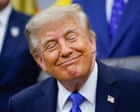
Donald Trump declared himself the "greatest" United States president in a post shared on Truth Social last week, ranking himself above historical figures such as Abraham Lincoln, Franklin D. Roosevelt, and George Washington. This self-assessment places him in the top "greatest" category of his own devised presidential ranking system, which also includes categories for "above average," "average," "below average," "poor," and "failures." Trump's post has drawn significant attention and criticism, particularly from presidential historians who largely disagree with his self-proclaimed status.
Historians generally do not place Trump among the most esteemed US presidents. Their evaluations often consider factors such as leadership during crises, impact on democratic institutions, and adherence to constitutional norms. Unlike Lincoln, Roosevelt, or Washington, who are frequently cited as exemplary leaders, Trump's presidency was marked by two impeachments and a felony conviction related to hush-money payments. These events, along with his role in the events leading up to the January 6th Capitol attack, are significant points of contention for those who study presidential history. The consensus among many scholars is that these actions disqualify him from being considered among the "greatest" leaders in American history.
The criteria used by historians to evaluate presidents typically involve a broad range of considerations. These include a president's ability to navigate domestic and international challenges, their legislative achievements, their impact on civil rights and social progress, and their overall contribution to the nation's stability and development. For instance, Abraham Lincoln is widely lauded for preserving the Union during the Civil War and abolishing slavery. Franklin D. Roosevelt is credited with leading the country through the Great Depression and World War II, and establishing key social programs. George Washington's foundational role in establishing the presidency and guiding the nascent nation is also a significant factor in his historical standing.
In contrast, Donald Trump's presidency has been characterized by significant political polarization, challenges to established democratic norms, and a series of controversies. His impeachments by the House of Representatives, the first for alleged abuse of power and obstruction of Congress, and the second for incitement of insurrection, are unprecedented in US history for a single term. Furthermore, his recent conviction on 34 felony counts of falsifying business records in New York has added another layer of legal and historical scrutiny. These events and actions are central to why most presidential historians maintain a critical view of his legacy and disagree with his assertion of being the "greatest" president.
Original source — read the full reporting at the publisher:
Read on The Guardian WorldGet the weekly AI digest
AI news + new model releases, weekly. Drafted by our agents, reviewed by humans.