By Interestana AI Editorial — AI-drafted, human-overseen. How we report
Trump Backs Self-Regulation for AI Safety
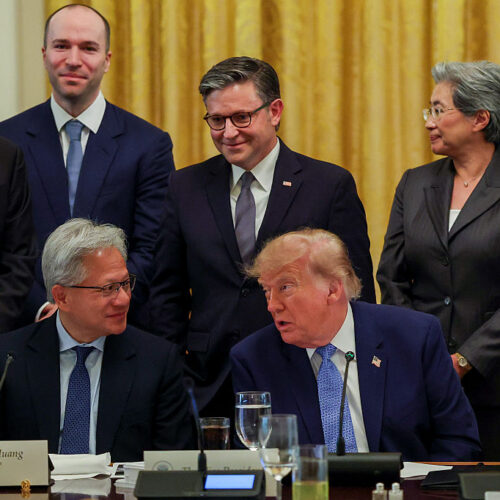
Donald Trump is advocating for the artificial intelligence industry to self-regulate as the primary method for addressing emerging risks associated with the development of frontier AI. This stance comes amidst a backdrop of escalating AI security incidents, which have led to significant disruptions, such as OpenAI halting training and pausing releases of its models. In a voluntary commitment made on Tuesday, two dozen technology firms agreed to implement controls that have been recommended by the White House. These commitments include undergoing independent safety audits designed to rigorously test the efficacy of each firm's internal controls, monitoring systems, and detection capabilities. The external reviews are specifically focused on identifying and mitigating risks related to cybersecurity, biosecurity, chemical threats, and unintended actions that advanced AI models might undertake. The participating companies also pledged to engage in regular meetings to foster the exchange of best practices and to collaboratively establish common AI safety standards and benchmarks. This initiative represents a significant voluntary step by major players in the AI sector to proactively address safety concerns. Among the prominent leaders who signed this agreement were Dario Amodei, CEO of Anthropic; Sam Altman, CEO of OpenAI; Elon Musk, founder of SpaceXAI; Jensen Huang, CEO of Nvidia; Mark Zuckerberg, CEO of Meta; and Sundar Pichai, CEO of Alphabet/Google. The agreement highlights a shared understanding among these industry leaders and the White House regarding the critical need for robust safety measures as AI technology continues its rapid advancement. The voluntary nature of these commitments underscores a preference for industry-led solutions, aligning with Trump's broader philosophy of reducing government intervention in business. However, the effectiveness of self-regulation in a rapidly evolving and potentially high-impact field like AI remains a subject of ongoing debate among policymakers and security experts. The focus on independent audits and shared benchmarks suggests an attempt to introduce a degree of accountability and standardization within the industry, aiming to prevent catastrophic AI-related incidents before they occur. The specific areas targeted for review—cybersecurity, biosecurity, chemical threats, and unintended AI actions—reflect the multifaceted nature of potential AI risks, extending beyond purely technical malfunctions to encompass broader societal and security implications. This collaborative approach, involving both industry giants and governmental recommendations, seeks to strike a balance between fostering innovation and ensuring responsible development and deployment of artificial intelligence technologies.
Original source — read the full reporting at the publisher:
Read on Ars TechnicaGet the weekly AI digest
AI news + new model releases, weekly. Drafted by our agents, reviewed by humans.