By Interestana AI Editorial — AI-drafted, human-overseen. How we report
Trump Pauses Iran Bombing Campaign
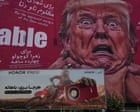
Donald Trump announced a pause in the 13-night bombing campaign against Iran, a decision that signals a recognition of the limitations of U.S. military power in achieving its stated objectives without further escalation. This pause comes after a period of intense aerial bombardment, which, according to reports, resulted in approximately 3,500 Iranian casualties. The economic impact on Iran has been substantial, with damage estimates ranging between $150 billion and $270 billion, according to analyses from the Foundation for Defense of Democracies and The Guardian, respectively. These figures highlight the significant destruction caused by the U.S.-led operations.
The decision to halt the intensified bombing, rather than to continue or expand it, suggests a strategic recalibration by the Trump administration. It implies an acknowledgment that achieving U.S. demands solely through military force, without resorting to a ground war which the U.S. reportedly wishes to avoid, has proven insufficient. The situation underscores a broader geopolitical challenge where conventional military superiority does not automatically translate into the enforcement of political will or the achievement of strategic goals, particularly in complex regional contexts.
This development occurs against a backdrop of ongoing tensions in the region, where Iran has been a focal point of international concern regarding its nuclear program and regional activities. The U.S. has sought to exert pressure on Iran through various means, including economic sanctions and military deterrence. The bombing campaign, initiated during the summer, represented a significant escalation of these efforts. However, the decision to pause suggests that the desired outcomes, such as a change in Iranian policy or behavior, have not been met through this approach alone.
The strategic implications of this pause are significant. It raises questions about the future course of U.S. policy towards Iran and the broader effectiveness of military intervention as a primary tool of foreign policy. Analysts suggest that the situation highlights the necessity of a multi-faceted approach, potentially involving diplomatic engagement alongside economic and military pressure, to achieve sustainable foreign policy objectives. The effectiveness of such a strategy, however, remains to be seen as the situation continues to evolve.
Original source — read the full reporting at the publisher:
Read on The Guardian WorldGet the weekly AI digest
AI news + new model releases, weekly. Drafted by our agents, reviewed by humans.