By Interestana AI Editorial — AI-drafted, human-overseen. How we report
Trump Orders Cuts to South Korea Joint Military Drills
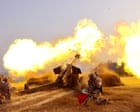
President Donald Trump ordered a reduction in joint US military drills with South Korea, a move that commenced on August 17 and is scheduled to run until August 27. This decision, part of the Ulchi Freedom Shield exercises, one of two major annual joint training events between the two nations, has been met with concern from military officials. These officials have warned that North Korea's regime, led by Kim Jong-un, is gaining significant battlefield experience and developing new combat tactics by observing the ongoing conflict in Ukraine. Despite these warnings, President Trump stated that his decision was based on the "very good relationship" he has with Kim Jong-un. The Ulchi Freedom Shield exercises are designed to enhance the combined defense capabilities of the United States and South Korea, preparing them for potential contingencies on the Korean Peninsula. The reduction in these drills raises questions about the readiness of US and South Korean forces to respond to North Korean aggression, particularly in light of the evolving military landscape influenced by the Ukraine war. Military analysts suggest that Russia's extensive use of drones, electronic warfare, and sophisticated command-and-control systems in Ukraine provides valuable, albeit grim, lessons for other military powers, including North Korea. The North Korean People's Army, while often perceived as technologically inferior to its adversaries, has demonstrated a capacity for adaptation and innovation. The intelligence shared by US and South Korean military officials indicates that North Korea has been closely monitoring developments in Ukraine, analyzing both successful strategies and costly mistakes made by the involved parties. This observation period allows Pyongyang to refine its own operational plans and potentially identify vulnerabilities in the defensive postures of its neighbors and the United States. The scaling back of joint exercises by the Trump administration could inadvertently provide Pyongyang with a reduced deterrent and a perceived window of opportunity. The Ulchi Freedom Shield exercises typically involve a wide range of military activities, including simulated command post operations, field training exercises, and cyber warfare drills, all aimed at improving interoperability and coordination between the US and South Korean armed forces. A reduction in the scope or frequency of these drills could impact the effectiveness of combined operations and the overall deterrence posture on the Korean Peninsula. The geopolitical implications of this decision are significant, potentially emboldening North Korea and creating uncertainty among allies in the Indo-Pacific region. The US military's emphasis on readiness and deterrence is a cornerstone of its security commitments, and any perceived weakening of this posture can have far-reaching consequences. The warnings from military officials underscore the dynamic nature of modern warfare and the importance of continuous, realistic training to maintain a competitive edge and ensure regional stability.
Original source — read the full reporting at the publisher:
Read on The Guardian WorldGet the weekly AI digest
AI news + new model releases, weekly. Drafted by our agents, reviewed by humans.