By Interestana AI Editorial — AI-drafted, human-overseen. How we report
Trump Officials Propose Excluding Undocumented Immigrants from Census
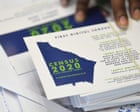
The Trump administration proposed significant changes to the U.S. Census Bureau's data collection methods, aiming to exclude undocumented immigrants from the decennial count. This proposed rule, published in the Federal Register on Wednesday, September 9, 2026, could have substantial ramifications for the allocation of federal resources and the redrawing of congressional districts for the House of Representatives. The administration's move signals a broader effort to reshape government data collection and potentially reduce the political representation of areas with large immigrant populations.
In addition to the exclusion of undocumented immigrants, the Census Bureau also announced it is considering alterations to the questions it asks regarding race and ethnicity. This consideration aligns with the Trump administration's wider agenda to dismantle diversity, equity, and inclusion (DEI) programs across federal agencies. The potential changes to race and ethnicity data collection could further impact how demographic information is understood and utilized in policy-making and representation, potentially altering the landscape of civil rights enforcement and affirmative action initiatives.
The exclusion of undocumented immigrants from the census count is a contentious issue. The U.S. Constitution mandates that all persons residing in the United States be counted for the purposes of apportionment, regardless of their immigration status. Historically, the census has counted every person living in the country, a practice that has been upheld by the Supreme Court. The Trump administration's proposal challenges this long-standing precedent, raising legal and constitutional questions about the definition of "person" for census purposes and the intent behind the apportionment clause.
Critics argue that excluding undocumented immigrants would disproportionately affect states with larger undocumented populations, leading to a significant undercount. This undercount could result in reduced federal funding for essential services such as healthcare, education, and infrastructure in those states and localities. Furthermore, it would likely lead to a redistribution of political power, as House seats are allocated based on population counts. States that exclude undocumented immigrants from their census counts could see their representation in Congress diminished, while states with fewer undocumented residents might gain seats. The Census Bureau's current practices ensure a more accurate reflection of the total population, which is crucial for equitable representation and resource distribution across the nation. The proposed changes are expected to face significant legal challenges and public debate.
Original source — read the full reporting at the publisher:
Read on The Guardian WorldGet the weekly AI digest
AI news + new model releases, weekly. Drafted by our agents, reviewed by humans.