By Interestana AI Editorial — AI-drafted, human-overseen. How we report
Trump DOJ Argues CNN Can Be Banned From White House
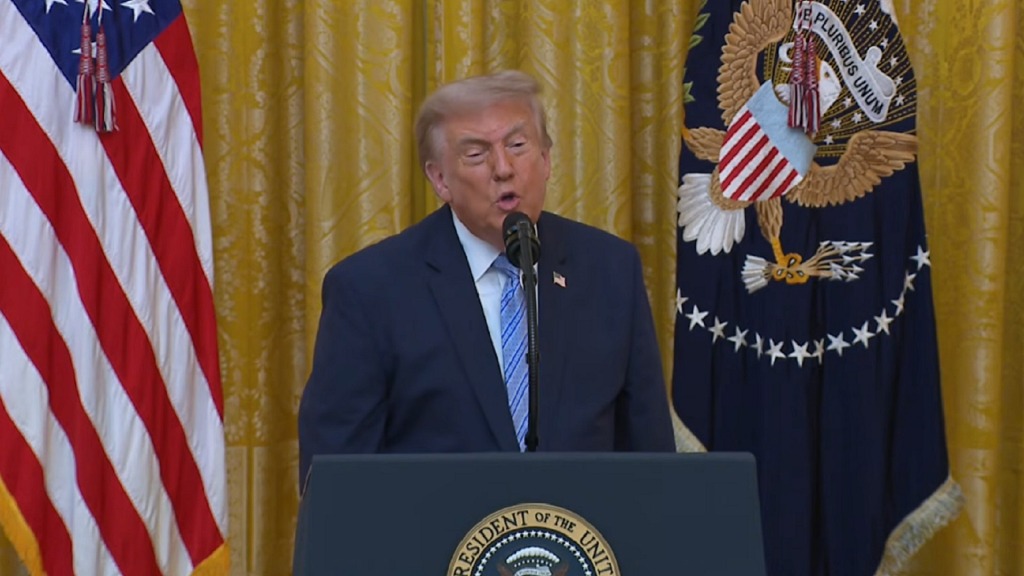
The Trump administration's Department of Justice made a legal filing on Friday night to support its decision to ban CNN, MS NOW, and Politico from the White House, asserting that these outlets failed to meet President Trump's standards of "professionalism." This argument, detailed in a legal brief obtained by The Hill, suggests that the media's reporting could have endangered national security or the President's facilities. Trump's legal team contends that press access to the White House is a "privilege—not a right," a stance that appears to challenge established legal precedents regarding press freedom. The filing references the U.S. Court of Appeals' 2023 ruling in Associated Press v. Budowich, which determined that specific locations like the Oval Office and Air Force One are "private spaces" not protected by First Amendment access guarantees. Trump's lawyers are now seeking to extend this interpretation to the entire White House complex, including its press briefing room. This effort is seen as a direct challenge to the nearly 50-year-old precedent set by Sherrill v. Knight in 1977. The Sherrill decision established that if the White House grants press access, it must do so equitably and cannot deny press credentials arbitrarily or without compelling reasons. The ruling identified the physical security of the President as a primary "compelling" reason for denying access, such as in cases where the Secret Service deems an individual a security risk. Trump's legal team explicitly states their belief that the Sherrill ruling, which has guided press access for almost five decades, should not apply to the White House in its entirety. The administration's position implies a desire to control media access based on subjective criteria of "professionalism" rather than objective journalistic standards or established legal rights. This legal strategy aims to redefine the relationship between the executive branch and the press, potentially granting the President broader authority to restrict media presence and reporting from within the White House. The DOJ's filing seeks judicial endorsement for this restrictive approach, which could have significant implications for future press access and First Amendment protections in the context of presidential communications and reporting.
Original source — read the full reporting at the publisher:
Read on The A.V. ClubGet the weekly AI digest
AI news + new model releases, weekly. Drafted by our agents, reviewed by humans.