By Interestana AI Editorial — AI-drafted, human-overseen. How we report
Trump Names Jay Clayton White House AI Czar
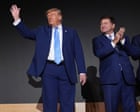
Donald Trump appointed Jay Clayton, the current Director of National Intelligence (DNI), to the additional role of White House AI czar on August 4, 2026. This appointment places a key figure in the U.S. intelligence community at the forefront of developing and overseeing artificial intelligence policy within the executive branch. Clayton, who leads the nation's 18 intelligence agencies, brings a background in both national security and financial regulation to this new, critical position. His prior experience includes serving as the top federal prosecutor in Manhattan and as the chairman of the Securities and Exchange Commission (SEC) during Trump's first presidential term. This dual role suggests an intention to integrate AI strategy across national security and economic domains. During his confirmation hearing for the DNI position, Clayton acknowledged the transformative potential of artificial intelligence, describing it as a "gamechanger" while simultaneously recognizing the "threats" it presents. This dual perspective is likely to inform his approach as the AI czar, balancing innovation with risk mitigation. The establishment of a dedicated White House AI czar underscores the growing importance of artificial intelligence to national policy, economic competitiveness, and security. This role will likely involve coordinating efforts among various government agencies, advising the President on AI-related matters, and potentially shaping legislative proposals and regulatory frameworks. The appointment comes at a time when artificial intelligence is rapidly advancing, with significant implications for industries, defense, and daily life. Clayton's leadership in this capacity will be crucial in navigating the complex landscape of AI development, deployment, and governance. His previous tenure at the SEC also suggests a potential focus on the economic and market implications of AI, including issues related to competition, data privacy, and financial stability. The White House AI czar position is expected to play a pivotal role in ensuring that the United States remains competitive in the global AI race while addressing ethical concerns and potential misuse of the technology. The specific responsibilities and scope of the AI czar role are still being defined, but it is anticipated to be a high-profile position with significant influence over the nation's AI agenda. Clayton's deep understanding of intelligence operations and his experience in high-level regulatory roles position him to tackle the multifaceted challenges associated with AI governance. The appointment signals a strategic prioritization of AI by the Trump administration, aiming to harness its benefits while proactively managing its risks.
Original source — read the full reporting at the publisher:
Read on The Guardian WorldGet the weekly AI digest
AI news + new model releases, weekly. Drafted by our agents, reviewed by humans.