By Interestana AI Editorial — AI-drafted, human-overseen. How we report
Trump Administration AI Policy Criticized Amidst China AI Concerns
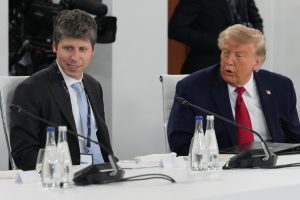
Senate Democrats have voiced strong criticism regarding the Trump administration's approach to Artificial Intelligence (AI) governance, asserting that its lack of clear policy has contributed to American companies increasingly relying on less expensive AI alternatives from China. This concern was articulated in a letter from Senator Kirsten Gillibrand, who stated that the administration's "unfocused, ad-hoc approach to AI risks America’s economic security and competitiveness." She further elaborated that the American public and leading AI companies require "clear rules, not constantly changing dictates from the White House," characterizing the current policy as a "disaster" that fails to address security risks while potentially hindering American innovation and pushing the global market towards Chinese AI solutions.
The context for these criticisms includes an upcoming White House meeting scheduled for Tuesday with major AI companies to discuss a finalized voluntary framework for assessing the cybersecurity risks of advanced AI models. This framework is a product of a June 2 executive order that empowers the government to review powerful new AI models for national security implications for up to 30 days prior to their launch. However, specific details of this framework have remained largely undisclosed. On Monday, the administration announced the completion of the framework by its deadline, but failed to provide information on its contents, who had access to it, or the timeline for its implementation by companies.
Leading AI organizations, including Google, OpenAI, and Anthropic, were reportedly invited to Tuesday's closed-door meeting. These companies had previously reviewed a draft of the framework and submitted their edits in late July, according to Politico. A White House official indicated to the publication that the administration is engaging with a broader range of industry partners beyond these three major labs. Senator Gillibrand's letter, co-signed by four other Democratic senators—Chris Coons, Mark Kelly, Adam Schiff, and Mark Warner—specifically called for greater transparency regarding the administration's "unpredictable approach" to overseeing frontier AI development. The senators pointed to specific instances, such as the Commerce Department's export-control directive issued on June 12, which compelled Anthropic to cease operations of its Fable 5 and Mythos 5 models globally. Additionally, a separate request was made to OpenAI to restrict the rollout of its newer GPT-5.6 system to only vetted entities, highlighting the perceived inconsistency and lack of predictability in the administration's AI policy directives. The ongoing debate underscores the complex interplay between technological advancement, national security, and international economic competition in the rapidly evolving field of artificial intelligence.
Original source — read the full reporting at the publisher:
Read on FortuneGet the weekly AI digest
AI news + new model releases, weekly. Drafted by our agents, reviewed by humans.