By Interestana AI Editorial — AI-drafted, human-overseen. How we report
Trump Made 1,156 Trades in July, Far Exceeding Bessent's Total
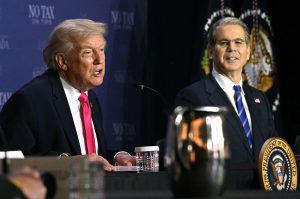
Donald Trump's financial accounts executed 1,156 trades in July, a volume nearly 40 times greater than that of Treasury Secretary Scott Bessent for the entirety of 2025. The disclosure, filed with the Office of Government Ethics (OGE) and first reported by Business Insider, detailed 440 purchases and 716 sales made by accounts associated with Trump. These transactions represented a value ranging from at least $79 million to a maximum of $270 million, though the exact dollar amount for each individual trade was not specified. In stark contrast, Treasury Secretary Scott Bessent reported only 29 transactions for all of 2025. All of Bessent's disclosed transactions were sales, according to an OGE report. Several of these sales involved his former interests in entities linked to Key Square, the hedge fund he established in 2015 before joining the current administration. Other sales included individual stocks in companies such as Verizon and Archer Daniels Midland. The report also noted an adjustment for a JPMorgan Chase stake held by Bessent's husband, John Freeman, which had been inadvertently listed as a deposit account. Bessent had previously agreed to divest assets that could present conflicts of interest with his role as Treasury secretary.
A White House spokesperson informed Fortune that Trump's assets are managed within a trust overseen by his children. The spokesperson attributed the high volume of Trump's July trades to "computer-based model portfolios that automatically replicate recognized indexes, such as the Schwab 1000." These automated systems are designed to mimic the performance of broad market indices, leading to frequent rebalancing and trading activity. Federal conflict of interest regulations, specifically 18 U.S. Code 208, generally prohibit most federal officials from engaging in actions that affect their personal financial interests. However, these restrictions do not apply to the president and vice president, allowing for a different standard of financial management for the nation's highest elected officials. The extensive trading activity by Trump, while legally permissible for the presidency, highlights a significant difference in financial engagement compared to other high-ranking government officials like Secretary Bessent, who is subject to stricter divestment and trading limitations to avoid potential conflicts of interest.
The comparison in trading volume underscores the unique position of the presidency regarding financial disclosures and management. While Bessent, a Wall Street veteran, is actively managing his portfolio with a limited number of transactions, Trump's accounts are reportedly driven by automated index-replicating strategies. This approach, while efficient for tracking market indices like the Schwab 1000, results in a much higher frequency of trades. The OGE reports are crucial for transparency, allowing the public and oversight bodies to monitor potential conflicts of interest among government officials. The significant disparity in the number of trades between Trump and Bessent, particularly within a single month for Trump versus an entire year for Bessent, draws attention to the different operational mechanisms and disclosure requirements that govern their financial activities. The White House has indicated that these automated portfolios are the standard method for managing Trump's assets within the trust.
Original source — read the full reporting at the publisher:
Read on FortuneGet the weekly AI digest
AI news + new model releases, weekly. Drafted by our agents, reviewed by humans.