By Interestana AI Editorial — AI-drafted, human-overseen. How we report
US Military Plans Long-Term Persian Gulf Presence
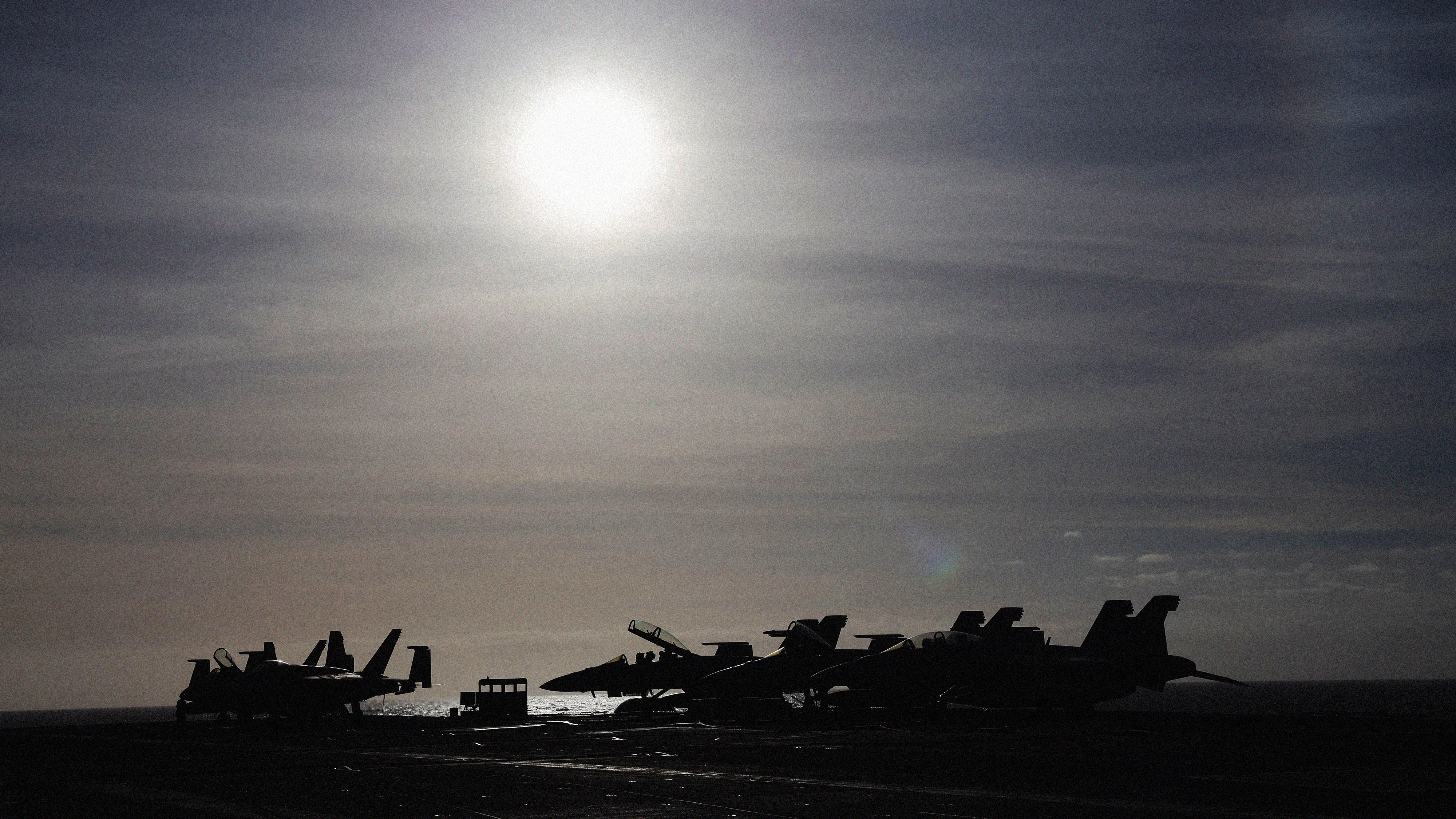
The United States military is engaged in comprehensive, long-term strategic planning for its force presence in the Persian Gulf. This initiative signals a sustained commitment to the region and anticipates a prolonged operational tempo for military assets stationed there. The planning process involves assessing future threats, evolving geopolitical dynamics, and the necessary resources to maintain stability and security in the Persian Gulf. This forward-looking approach aims to ensure the readiness and adaptability of US forces to address a range of potential contingencies, from counter-terrorism operations to deterring state-sponsored aggression.
The extensive planning for a long-term presence carries the risk of further straining the US Navy's operational capacity. The Navy, in particular, is a critical component of power projection in the Persian Gulf, requiring a significant number of vessels and personnel to maintain its commitments. A prolonged deployment cycle can lead to increased wear and tear on ships, extended periods away from homeports for sailors, and a greater demand on maintenance and repair facilities. This strain necessitates careful consideration of shipbuilding schedules, personnel rotations, and resource allocation to prevent burnout and ensure the long-term health of the naval fleet.
This strategic foresight comes amidst a complex geopolitical landscape in the Middle East. The region remains a focal point for international relations, with ongoing concerns about regional rivalries, the proliferation of advanced weaponry, and the security of vital energy resources. The military's long-term planning is likely informed by assessments of these persistent challenges and the need for a robust and enduring US military footprint to act as a deterrent and a stabilizing force. The planning process will involve interagency coordination, including with the State Department and intelligence agencies, to align military objectives with broader diplomatic and economic strategies.
The implications of this long-term planning extend beyond immediate operational readiness. It suggests a strategic recalibration, potentially indicating a shift in US foreign policy priorities towards a more enduring engagement in the Persian Gulf. This could involve investments in regional infrastructure, strengthening alliances with Gulf partners, and adapting military capabilities to meet evolving threats. The sustained presence will require continuous evaluation of the strategic environment and the flexibility to adjust plans as circumstances dictate, ensuring that US forces remain a credible and effective instrument of national security policy in this critical part of the world.
Original source — read the full reporting at the publisher:
Read on The AtlanticGet the weekly AI digest
AI news + new model releases, weekly. Drafted by our agents, reviewed by humans.