By Interestana AI Editorial — AI-drafted, human-overseen. How we report
Trump Seeks New Tariffs After Court Ruling
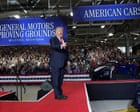
Donald Trump is reportedly seeking new legal justifications to impose tariffs on imports, a strategy he previously employed and which faced a significant legal challenge. In February, the Supreme Court ruled against tariffs that Trump had imposed on nearly all of America's trading partners. This ruling was based on the International Economic Emergency Powers Act (IEEPA), with the court finding the grounds for national emergencies to be spurious. Following this decision, Trump's administration has been actively searching for alternative legal mechanisms to reinstate trade barriers. Policy experts and analysts have been engaged in discussions, often described as a "parlor game," to anticipate the next legal basis Trump might utilize for such measures. The invocation of the Smoot-Hawley Tariff Act of 1930 is being highlighted as a particularly dangerous potential avenue. This historical legislation significantly raised tariffs on over 20,000 imported goods, and its reintroduction could lead to severe international trade repercussions. The Smoot-Hawley Act is widely considered to have exacerbated the Great Depression by triggering retaliatory tariffs from other countries, leading to a sharp decline in global trade. Trump's determination to pursue a trade war, even after the Supreme Court's intervention, suggests a persistent belief in the efficacy of tariffs as a tool for economic and political leverage. The legal maneuvering by his administration aims to circumvent the limitations imposed by the Supreme Court's ruling, indicating a strategic effort to regain the ability to punish countries through trade restrictions at will. The economic and geopolitical implications of such actions, particularly if they involve historical legislation like Smoot-Hawley, could be substantial, potentially leading to increased global trade friction and economic instability. The focus on finding new statutory roadblocks to trade underscores a commitment to a protectionist agenda, even in the face of legal setbacks. The administration's efforts to find a "killer weapon" to punish countries at will through tariffs signifies a proactive approach to re-establishing this policy tool. The ongoing search for a new legal justification reflects the administration's strategic intent to overcome the obstacles presented by the Supreme Court's February decision, which invalidated tariffs based on the IEEPA. This situation highlights a critical juncture in U.S. trade policy, with potential for significant international ramifications depending on the legal strategies ultimately pursued.
Original source — read the full reporting at the publisher:
Read on The Guardian WorldGet the weekly AI digest
AI news + new model releases, weekly. Drafted by our agents, reviewed by humans.