By Interestana AI Editorial — AI-drafted, human-overseen. How we report
Trump's European Allies May Not Serve US Interests
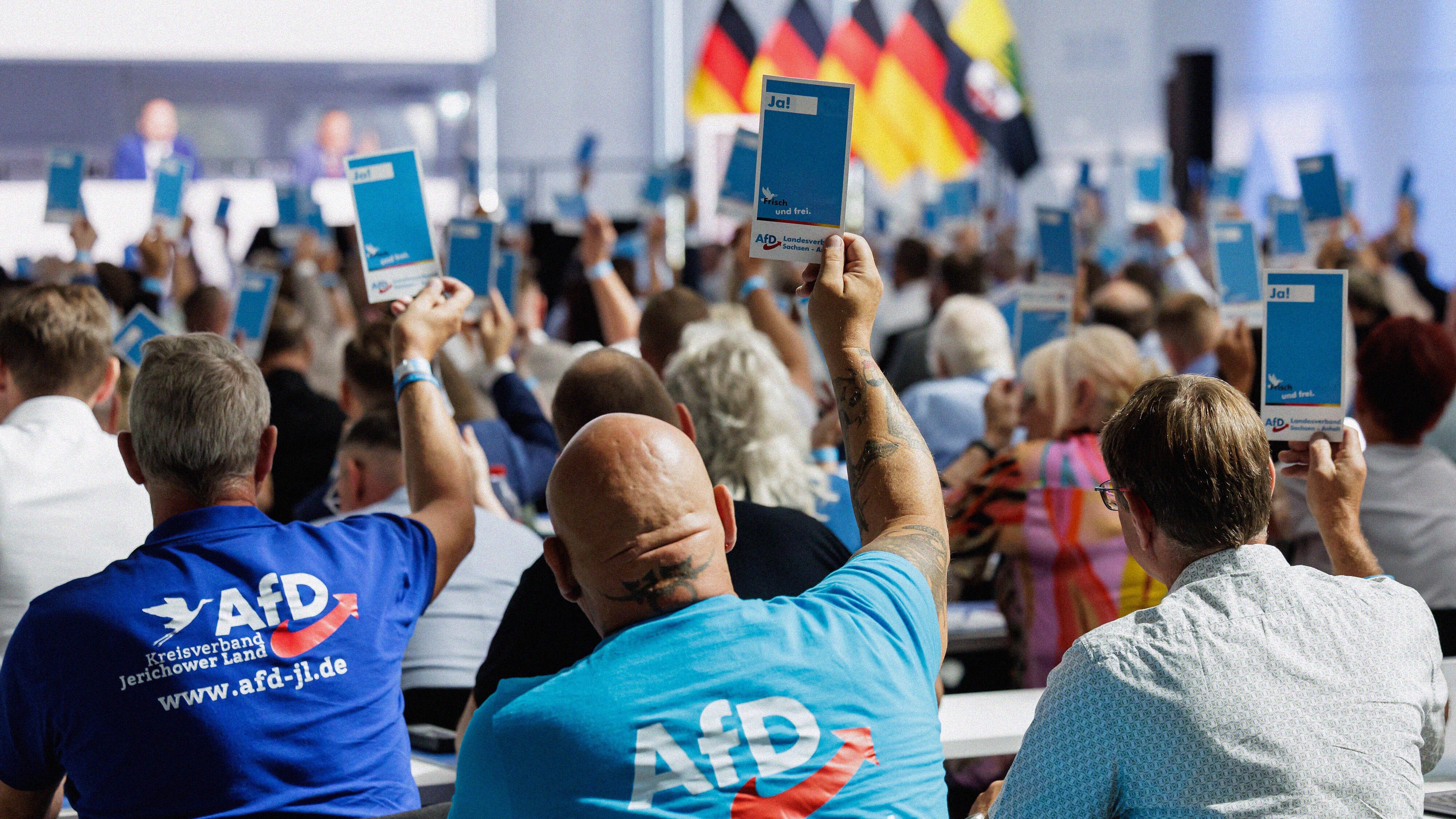
Donald Trump's strategic alliances with certain far-right political parties across Europe may not align with long-term American foreign policy objectives. The White House's apparent preference for these groups overlooks their distinct nationalistic and protectionist agendas, which could diverge significantly from U.S. interests in areas such as trade, security, and international cooperation. These parties, often characterized by their skepticism towards established international institutions and multilateral agreements, prioritize national sovereignty and bilateral deals, a stance that could undermine the established global order that has historically benefited the United States.
For instance, parties like France's National Rally, led by Marine Le Pen, and Italy's Brothers of Italy, headed by Giorgia Meloni, have articulated foreign policy platforms that emphasize "France First" or "Italy First" principles. This approach often translates into a desire for greater autonomy from the European Union and a more transactional relationship with global powers, including the United States. While Trump's "America First" rhetoric might find resonance with these movements, the practical implications of their policies could lead to fragmentation within NATO, weakened transatlantic ties, and a less predictable international landscape. Such outcomes could diminish U.S. influence and create opportunities for geopolitical rivals.
Furthermore, the economic policies advocated by these European far-right parties often include protectionist measures, such as tariffs and trade barriers, designed to shield domestic industries. This directly contrasts with the U.S. interest in open markets and global trade liberalization, which has been a cornerstone of American economic policy for decades. A shift towards widespread protectionism in Europe, encouraged by or aligned with U.S. policy under Trump, could lead to retaliatory measures, disrupt global supply chains, and ultimately harm American businesses and consumers. The potential for trade disputes and economic friction is a significant concern that appears to be underestimated in the current strategic calculus.
Beyond economics and security, the approach of these parties towards international norms and human rights also presents a potential point of divergence. While the U.S. generally champions democratic values and human rights on the global stage, some of these European movements have been criticized for their rhetoric on immigration, minority rights, and their perceived tolerance for authoritarian tendencies in other nations. A foreign policy that embraces these parties without critical examination risks alienating traditional allies, undermining democratic principles abroad, and tarnishing America's image as a proponent of universal values. The long-term consequences of such a realignment could prove detrimental to U.S. global leadership and its ability to foster a stable and prosperous international environment.
Original source — read the full reporting at the publisher:
Read on The AtlanticGet the weekly AI digest
AI news + new model releases, weekly. Drafted by our agents, reviewed by humans.