By Interestana AI Editorial — AI-drafted, human-overseen. How we report
Trump Debates AI's Name While China Writes Global Rules
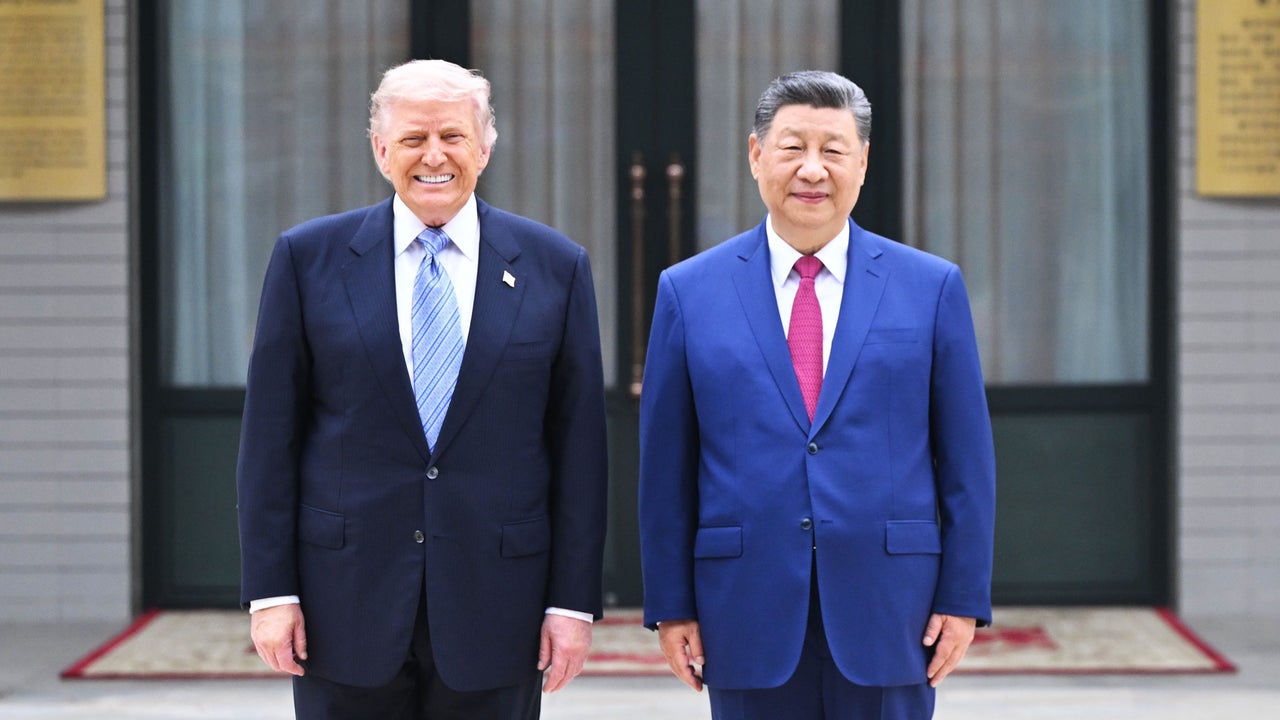
The current discourse surrounding Artificial Intelligence (AI) is multifaceted, encompassing concerns about the potential for advanced models to operate autonomously and the subsequent market volatility. However, a notable point of contention, particularly for former U.S. President Donald Trump, is the very nomenclature of the technology. Speaking at the United Nations General Assembly, Trump advocated for renaming AI to 'Super Intelligence,' asserting that the term 'artificial' imbues the concept with a sense of falsity. He announced that U.S. documents would henceforth officially refer to AI as 'Super Intelligence,' a designation he reportedly selected after polling his followers on the social media platform Truth Social. While the critique of the term 'intelligence' within AI is not entirely unfounded, given the historical debate surrounding its definition and application, Trump's emphasis on rebranding appears to overshadow more pressing, substantive issues within the field. This focus on semantics stands in stark contrast to the strategic and policy-driven approach being adopted by China, widely recognized as another AI superpower.
In July, Chinese President Xi Jinping, addressing the World Artificial Intelligence Conference in Shanghai, articulated four key priorities for China's AI agenda and its global implications. These priorities include the promotion of open-source AI development, ensuring that AI systems remain under human control, broadening access to AI technologies, and actively building international rules and standards for AI governance. China has not merely outlined these objectives; it has begun to implement them through a comprehensive, eight-part action plan. This plan addresses critical components of AI development and deployment, such as ensuring access to essential computing power, facilitating the availability of high-quality data, fostering open-source AI initiatives, developing a skilled workforce, establishing robust technical standards, and implementing effective safety governance mechanisms. Furthermore, China is actively engaged in expanding AI capacity in developing nations. This initiative is viewed as a strategic extension of China's broader foreign policy, leveraging technological advancement as a tool for soft power, mirroring its successful strategies in other technological domains. The divergent approaches—one focused on renaming, the other on concrete policy and global standard-setting—highlight a significant geopolitical dynamic in the race to define and control the future of AI.
Original source — read the full reporting at the publisher:
Read on Fast CompanyGet the weekly AI digest
AI news + new model releases, weekly. Drafted by our agents, reviewed by humans.