By Interestana AI Editorial — AI-drafted, human-overseen. How we report
Trump Imposes 15% Tariff on Key Chip Material to Counter China's Polysilicon Dominance
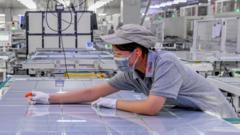
Former President Donald Trump's administration has implemented a significant trade measure, imposing a 15% tariff on polysilicon. This high-purity form of silicon is an indispensable foundational material for the manufacturing of virtually all silicon-based electronics, including semiconductors, and is also a critical component in solar panels. The decision directly targets the overwhelming dominance of Chinese producers in the global polysilicon market, a situation that has raised considerable concerns regarding supply chain security and potential geopolitical leverage for the United States and its allies.
Polysilicon production is an energy-intensive and technologically sophisticated process, requiring substantial investment in infrastructure and expertise. Historically, the United States and other Western nations have seen their domestic polysilicon manufacturing capabilities decline, allowing China to consolidate its position. China now holds a near-monopoly, controlling a substantial majority of the world's polysilicon output. This concentration of production in a single country creates vulnerabilities in the global supply chain, particularly for industries deemed critical to national security and economic competitiveness, such as the semiconductor sector.
The imposition of the 15% tariff is intended to make imported polysilicon, predominantly from China, more expensive. This price increase is a strategic move designed to incentivize and support the resurgence of domestic polysilicon production within the United States. By raising the cost of imports, the tariff aims to create a more level playing field for American companies involved in semiconductor fabrication and solar energy development. These domestic industries have often struggled to compete with the pricing and supply dynamics dictated by Chinese manufacturers who benefit from economies of scale and potentially state support.
This tariff is not an isolated policy but rather a component of a broader economic strategy that has historically utilized trade tools, such as tariffs, to protect domestic industries and address perceived unfair trade practices by other nations. The semiconductor industry, in particular, has been a focal point of such policies due to its vital importance for national security, technological advancement, and economic competitiveness. By targeting polysilicon, the Trump administration is directly impacting an upstream segment of the semiconductor supply chain, with the ultimate goal of bolstering the resilience, independence, and security of the entire sector. The long-term efficacy of this tariff will hinge on several factors, including the response of global markets, the capacity of domestic industries to scale up production effectively, and the evolving geopolitical landscape surrounding the control of critical material supply chains.
Original source — read the full reporting at the publisher:
Read on BBC World NewsGet the weekly AI digest
AI news + new model releases, weekly. Drafted by our agents, reviewed by humans.