By Interestana AI Editorial — AI-drafted, human-overseen. How we report
Kennedy Center Honors Navigate Political Boycotts
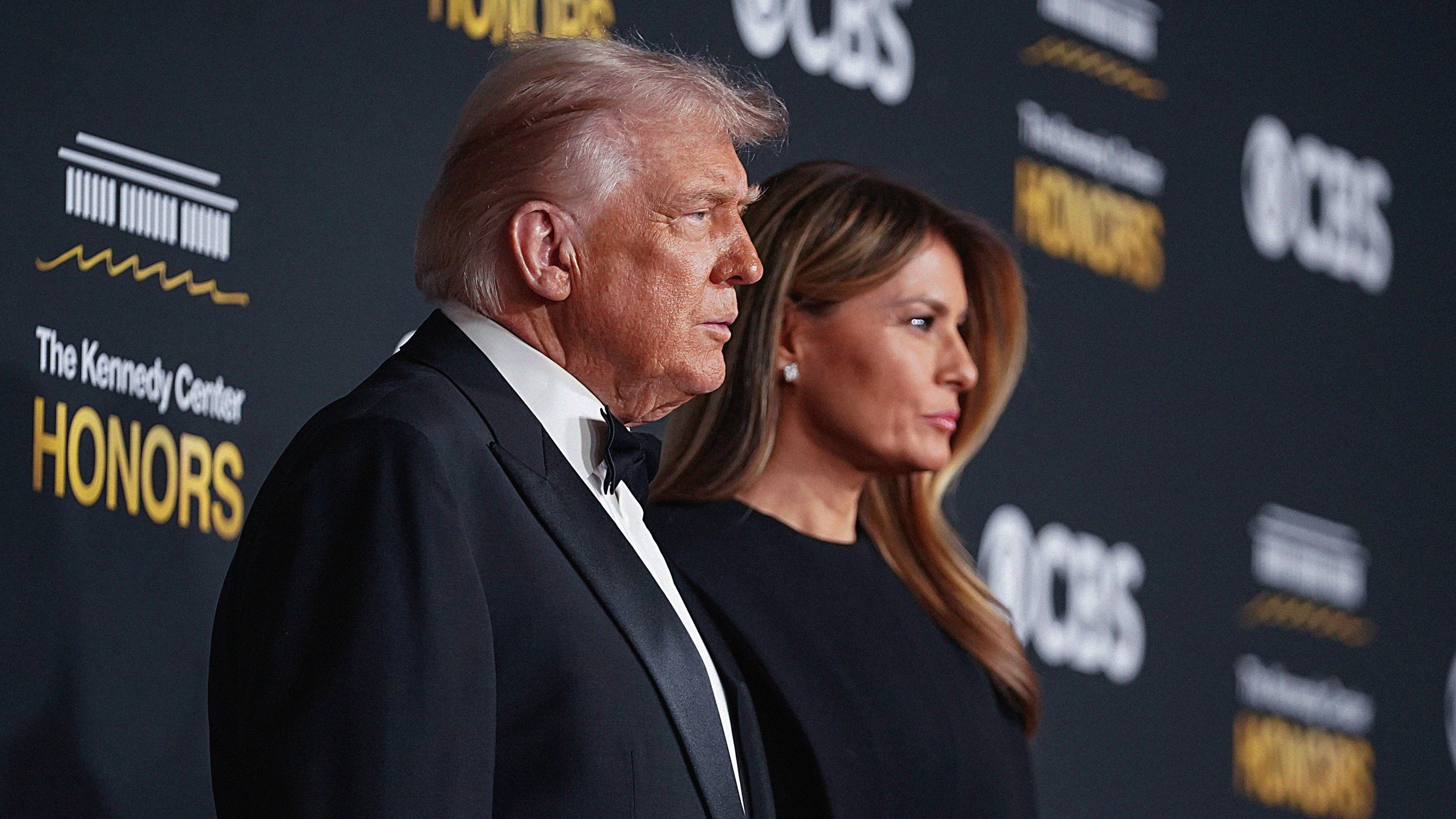
The Kennedy Center Honors, a prestigious American arts award ceremony, encountered significant controversy and logistical challenges during its 2019 event, primarily stemming from the attendance of then-President Donald Trump. This situation led to a series of artist boycotts, forcing the event's organizers to navigate a complex landscape of artistic integrity and political protest. The core of the issue revolved around a long-standing tradition where recipients of the Kennedy Center Honors would traditionally meet with the sitting President at the White House. However, in 2019, several honorees and performers indicated they would decline such a meeting or withdraw from participating altogether if President Trump were to attend the ceremony or be involved in any official capacity.
This wave of potential and actual withdrawals created a ripple effect throughout the production. Performers who were scheduled to honor the recipients, or even some honorees themselves, expressed their discomfort and opposition to the Trump administration's policies. For instance, the Kennedy Center Honors ceremony, which typically involves a celebratory performance segment where artists pay tribute to the honorees, saw a reduction in the number of participating artists. This meant that the tributes might have been less elaborate or that certain planned performances had to be altered or canceled. The decision by artists to boycott was often framed as a matter of conscience, a refusal to legitimize an administration whose policies they found objectionable, particularly concerning issues such as immigration, civil rights, and environmental regulations.
The Kennedy Center, as a federally funded institution, found itself in a delicate position. While it aims to celebrate artistic achievement across all genres and backgrounds, it also operates within a political context. The organizers had to balance the desire to honor the selected artists with the reality of political dissent. In previous years, similar controversies had arisen, but the scale and visibility of the boycotts in 2019 were particularly notable. The event, which typically garners significant media attention and is broadcast on television, became a focal point for discussions about the intersection of art, politics, and activism. The organizers ultimately proceeded with the ceremony, honoring the selected individuals, but the shadow of the boycotts and the underlying political tensions were undeniable, impacting the overall tone and participation in the event.
Original source — read the full reporting at the publisher:
Read on The AtlanticGet the weekly AI digest
AI news + new model releases, weekly. Drafted by our agents, reviewed by humans.