By Interestana AI Editorial — AI-drafted, human-overseen. How we report
Trump FCC Faces Bipartisan Blowback Over Alleged Speech Policing of ABC
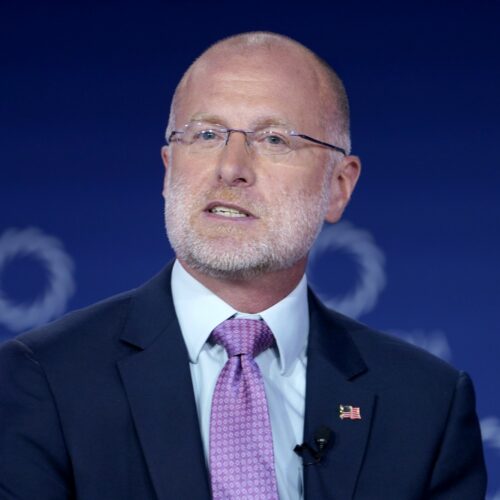
The Federal Communications Commission (FCC), an independent agency of the United States government created by the Communications Act of 1934, is currently facing significant bipartisan opposition regarding its recent actions targeting ABC's broadcast licenses. These actions are widely perceived by critics as an attempt to police speech that President Donald Trump personally dislikes. The FCC, historically tasked with regulating interstate and international communications by radio, television, wire, satellite, and cable, has found itself at the center of a controversy that has drawn condemnation from across the political spectrum.
Liberal advocacy groups have been particularly vocal, urging FCC Chairman Brendan Carr to cease what they describe as "attacks on ABC." Simultaneously, conservative organizations have also voiced their disapproval, cautioning Chairman Carr against setting a dangerous precedent. Their concern is that such actions, if allowed to stand, could be weaponized against conservative viewpoints and broadcasters in future administrations, regardless of who holds the presidency. This broad coalition of dissent extends to former FCC chairs and commissioners who have served under both Republican and Democratic administrations. These seasoned regulators have collectively condemned Carr's conduct, characterizing it as a "campaign to censor disfavored speech and advance the president’s personal interest."
The immediate catalyst for this widespread backlash is the FCC's recent order compelling ABC to file early license-renewal applications for the eight television stations it owns and operates. This directive was preceded by the submission of petitions to deny ABC's license renewals by two prominent conservative groups: the Center for American Rights and the Media Research Center. The Center for American Rights, in particular, has a documented history of submitting petitions that have significantly influenced FCC Chairman Carr's "news distortion" investigations. These investigations have focused on broadcasters accused of exhibiting bias against Republicans and President Trump. The implication is that the FCC's current actions against ABC are a direct consequence of these prior investigations and the perceived political leanings of ABC's reporting, rather than a neutral application of regulatory policy.
Critics argue that this move by the FCC represents a departure from its intended role and could have a chilling effect on free speech within the broadcast media landscape. The concern is that broadcasters may begin to self-censor to avoid potential FCC scrutiny or punitive actions, thereby stifling diverse viewpoints and robust journalistic inquiry. The broad coalition of critics, encompassing advocacy groups, media organizations, and former government officials, underscores the gravity of the concerns raised about the FCC's recent conduct and its potential implications for the future of broadcast media regulation and the principle of an independent, non-partisan regulatory body.
Original source — read the full reporting at the publisher:
Read on Ars TechnicaGet the weekly AI digest
AI news + new model releases, weekly. Drafted by our agents, reviewed by humans.