By Interestana AI Editorial — AI-drafted, human-overseen. How we report
US Treasury Facilitates Economic Corruption
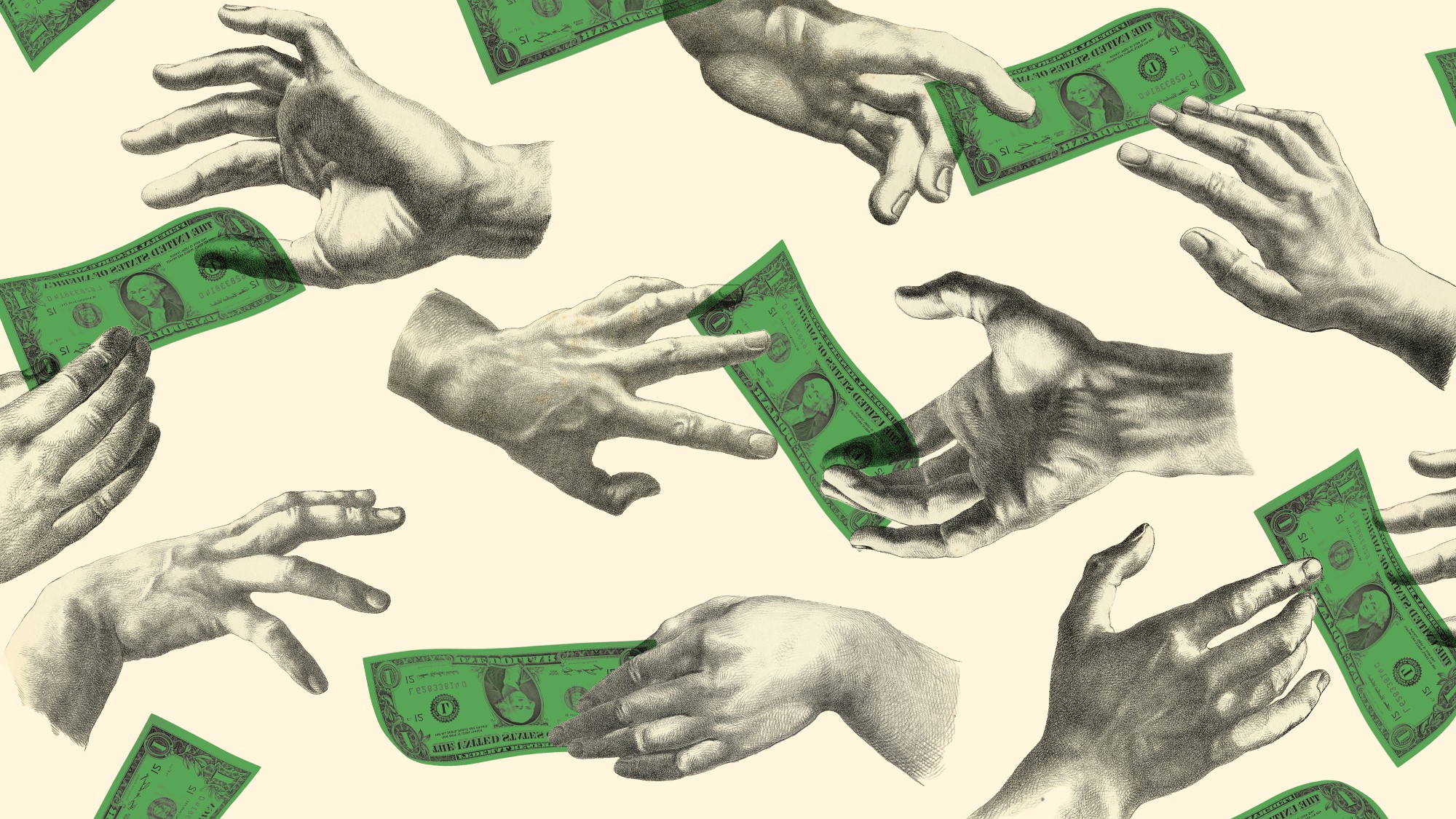
The U.S. Treasury Department has enacted policies that critics contend have inadvertently transformed the American economy into a haven for corruption and illicit financial activities. These measures, according to a critical analysis, have weakened safeguards against money laundering and the movement of "dirty money" through the U.S. financial system. The Treasury's approach is seen by some as prioritizing certain economic objectives over robust anti-corruption enforcement, thereby creating vulnerabilities that can be exploited by individuals and entities engaged in fraudulent or illegal operations. This shift in policy is not isolated but reflects a broader trend in how financial regulations are being interpreted and applied, with significant implications for both domestic and international financial integrity.
The Treasury's actions are particularly concerning given the dollar's status as the world's primary reserve currency and the U.S. financial system's central role in global commerce. When the U.S. financial infrastructure is perceived as less secure against illicit flows, it can embolden criminals and authoritarian regimes to use American markets for their gains. This can manifest in various forms, including the purchase of real estate, investments in businesses, and the general movement of funds that originate from bribery, embezzlement, or other corrupt practices. The lack of stringent oversight or enforcement allows these funds to be integrated into the legitimate economy, making them harder to trace and recover.
Furthermore, the Treasury's current stance is viewed as a departure from previous efforts to enhance transparency and accountability in financial transactions. Critics point to a perceived relaxation of "know your customer" (KYC) regulations and a reduced emphasis on suspicious activity reporting (SARs) by financial institutions. This loosening of controls, they argue, directly benefits those seeking to obscure the origins of their wealth. The consequence is an erosion of trust in the U.S. financial system's ability to act as a bulwark against global corruption, potentially leading to a less stable and more inequitable international economic landscape. The Treasury's role is pivotal, and its policy decisions have far-reaching effects on the integrity of global finance.
Original source — read the full reporting at the publisher:
Read on The AtlanticGet the weekly AI digest
AI news + new model releases, weekly. Drafted by our agents, reviewed by humans.