By Interestana AI Editorial — AI-drafted, human-overseen. How we report
Trump Reduces US-South Korea Military Drills
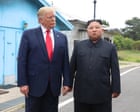
President Donald Trump announced on August 17, 2026, that he was substantially reducing joint US military drills with South Korea, a move intended to deter North Korea. Trump stated he was "not happy" with the large-scale exercises, describing them as "inappropriate and hostile" given his "very good relationship with Kim Jong-un." He further characterized North Korea as "unthreatening and respectful" during his presidency. Trump indicated that while it was too late to cancel the drills entirely, he had instructed the defense secretary, Pete Hegseth, to "substantially reduce" their scope. This decision comes despite warnings from military officials in both the US and South Korea that North Korea is adapting its battlefield tactics by observing the conflict in Ukraine. The reduction in drills also occurs amidst ongoing concerns raised by Democrats regarding conditions aboard the USS Abraham Lincoln. Senator Ruben Gallego, a Democrat from Arizona, has intensified demands for answers from the Trump administration concerning crew morale, mental health, and living conditions on the carrier. Gallego attributed the prolonged deployment of the USS Abraham Lincoln to the unresolved conflict initiated by Donald Trump with Iran in February 2026 and what he described as lackluster leadership from the Republican president's administration. The drills in question are part of a long-standing joint military exercise program between the United States and South Korea, designed to enhance readiness and deterrence against potential aggression from North Korea. These exercises typically involve a wide range of military capabilities, including ground, air, and naval operations, and are a cornerstone of the security alliance between the two nations. The decision to scale them back marks a significant shift in US military posture in the region and could be interpreted by North Korea as a de-escalation, though military analysts have expressed concerns that it might embolden the Kim Jong-un regime. The US military has historically viewed these drills as essential for maintaining stability and deterring North Korean provocations, which have included missile tests and nuclear weapons development. The reduction in exercises could also impact interoperability between US and South Korean forces, potentially affecting their ability to respond effectively to future security challenges. The Trump administration's rationale, centered on personal diplomacy with Kim Jong-un, contrasts with the more traditional security-focused approach of previous administrations. This policy shift raises questions about the long-term implications for regional security and the effectiveness of deterrence in the face of North Korea's evolving military capabilities.
Original source — read the full reporting at the publisher:
Read on The Guardian WorldGet the weekly AI digest
AI news + new model releases, weekly. Drafted by our agents, reviewed by humans.