By Interestana AI Editorial — AI-drafted, human-overseen. How we report
Trump Faces Limits to Power and Relevancy
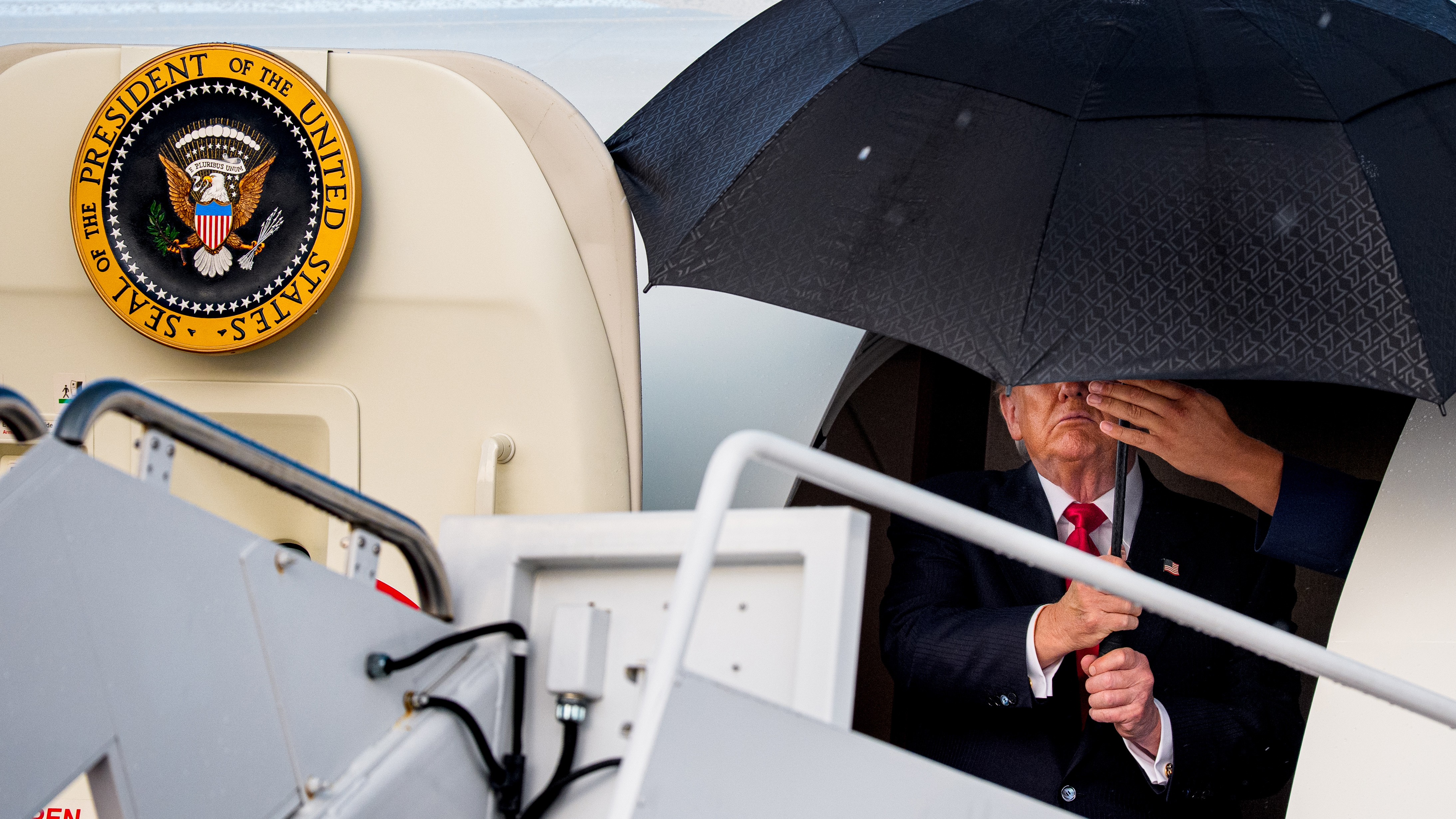
Donald Trump is confronting the inherent limitations of presidential authority, a reality that is becoming increasingly apparent as his term draws to a close. The former president, accustomed to wielding significant influence, is now learning that his power is not absolute and that his relevancy in the political landscape may soon diminish. This realization comes as various institutional checks and balances, along with the natural progression of political cycles, begin to assert their influence.
Throughout his presidency, Trump often tested the boundaries of executive power, frequently engaging in public disputes with members of his own administration, Congress, and the judiciary. These confrontations highlighted the existence of a system designed to prevent the overreach of any single branch of government. For instance, judicial reviews of executive orders and congressional oversight committees served as crucial mechanisms for accountability. The legal challenges faced by his administration, such as those concerning travel bans and environmental regulations, underscored the judiciary's role in interpreting and limiting executive actions. Similarly, congressional investigations and impeachment proceedings demonstrated the legislative branch's power to scrutinize and, if necessary, check presidential conduct.
Beyond the formal structures of government, Trump is also facing the evolving dynamics of political relevance. As the election cycle moves forward, attention naturally shifts to new candidates and emerging issues. The ability of a political figure to maintain influence is often tied to their current position of power and their capacity to shape the national discourse. With his presidency concluded, Trump's direct ability to command the news cycle and set the political agenda is subject to the same forces that have affected past presidents. His future impact will likely depend on his ability to adapt to a post-presidency role and his continued connection with his base, while navigating a political environment that is constantly in flux.
The transition of power itself is a fundamental aspect of democratic governance, inherently imposing a limit on any individual's tenure. The constitutional framework establishes fixed terms for the presidency, ensuring a regular opportunity for the electorate to make choices about leadership. This cyclical nature of power means that even the most dominant figures eventually cede their positions. The upcoming election cycle will introduce new contenders and potentially new political narratives, further challenging the sustained dominance of any single personality. The political landscape is not static; it is a dynamic environment shaped by public opinion, economic conditions, and global events, all of which contribute to the shifting sands of relevance.
Original source — read the full reporting at the publisher:
Read on The AtlanticGet the weekly AI digest
AI news + new model releases, weekly. Drafted by our agents, reviewed by humans.